Preventive Care
Why Flossing Is Necessary: Make It Your Habit
By Farah Dentistry · · 4 min read

To preserve your dental health, you need to maintain good oral hygiene, and flossing is an essential part of that routine. Flossing is the process of cleaning the narrow gaps between your teeth with an interdental cleaner. According to the American Dental Association, you should clean between your teeth at least once a day. Many people skip it, but when you don’t floss, you leave the remaining 35% of your tooth surfaces uncleaned. Be honest: are you flossing as much as you should?
Why Is Flossing Necessary?
We develop many new habits over time. Some people make a ritual of wiping toilet seats before using them, while others reach for their phones the moment they open their eyes in the morning. So why has flossing always been a challenge for so many?
The better question is: why do you need to floss? If you want to maintain good dental hygiene, you must floss. Because flossing cleans between your teeth, it greatly reduces the risk of cavities and gum disease. It also helps remove the plaque and tartar that can damage your gum line.
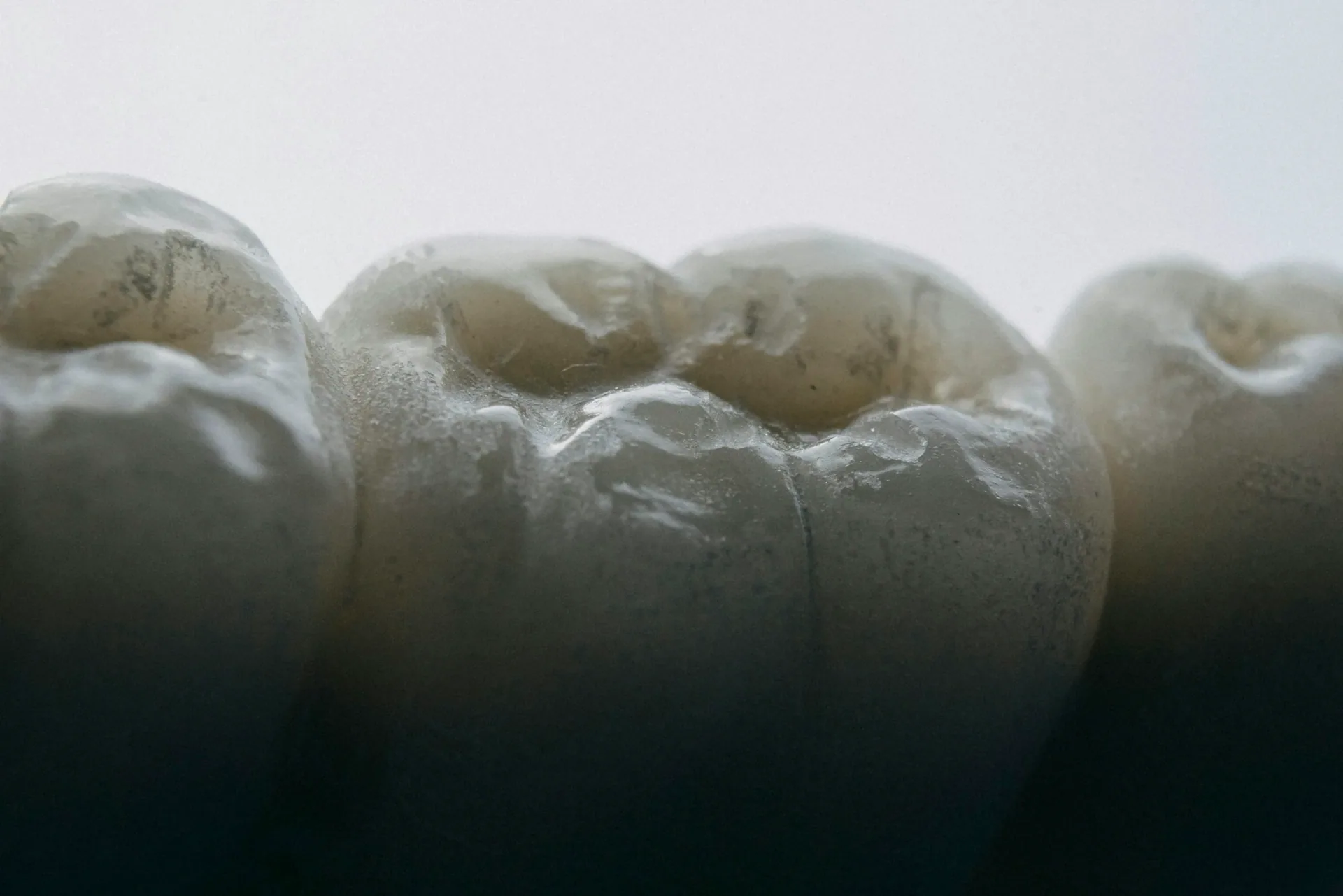
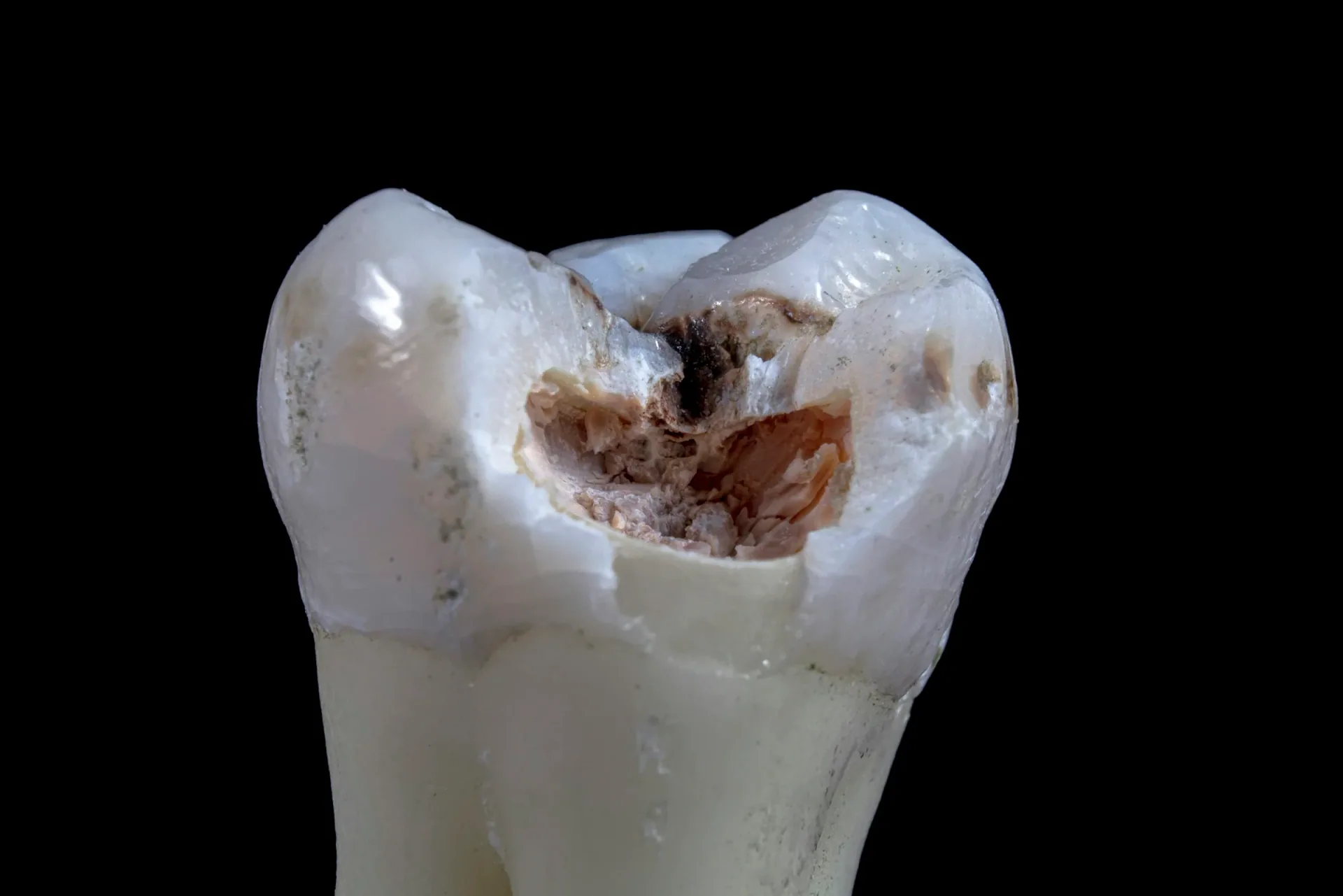
Without proper flossing, bacteria can build up in your mouth, which can eventually erode the enamel of your teeth and cause dental caries. That build-up can also lead to more complicated dental treatment down the road. This is why flossing is necessary.
What Happens When You Don’t Floss
Bad Breath
Food debris trapped between your teeth can harbor harmful bacteria, leading to bad breath, or halitosis. Failing to floss can leave your breath smelling like rotten eggs, which is why flossing is necessary for good oral hygiene.
Plaque and Cavities
Failing to floss regularly puts you at a higher risk of heavy plaque and cavities. Sugars in your food react with the bacteria on your teeth to create acid that attacks the enamel and leads to cavities. Flossing helps prevent these problems.
Bleeding Gums and Gum Disease
Skipping daily oral hygiene, including flossing, increases the likelihood of sensitive teeth and swollen gums. Inflamed gums can progress to bleeding gums and eventually gum disease. If left untreated, this can result in infection and periodontal disease, one more reason flossing is necessary.
Benefits of Flossing
People who overlook the importance of flossing can be exposed to a range of serious dental problems. That’s why our dentists at Farah Dentistry recommend a consistent oral hygiene routine: brush your teeth, and remember to floss every day. Here are some of the benefits of flossing.
Improved Appearance
Do you want to keep a warm smile for many years to come? Then make flossing part of your oral hygiene routine, and let the appearance of your teeth be your visual reminder. Flossing is a natural way to brighten your teeth and strengthen your gum line, and healthy teeth combined with sound oral hygiene make for a gleaming smile.
Prevents Dental Problems
According to the American Academy of Periodontology, excessive plaque build-up can damage your teeth and lead to gum disease, which can cause further complications for your overall health, such as narrowing of the arteries and cardiovascular disease. Flossing also helps you avoid other dental issues, such as:
- Bleeding gums
- Receding gums
- Tooth and bone loss
Flossing Helps You Avoid Dental Intervention
Dentists agree that people who floss consistently can often avoid complex dental procedures. By lowering the risk of cavities and infection in your mouth, you reduce the chance of needing invasive dental treatment.
Fresher Breath
Did you know a lack of proper flossing can often be identified by the smell of your breath? If your breath smells pungent, it most likely points to gaps in your oral hygiene. Flossing regularly leaves your mouth fresher, so you can feel confident throughout your day.
This article is general information, not a diagnosis or a substitute for an examination. For advice about your own teeth, please contact us.