Preventive Care
Do You Grind Your Teeth at Night? Signs of Bruxism and How to Help
By Farah Dentistry · · 4 min read
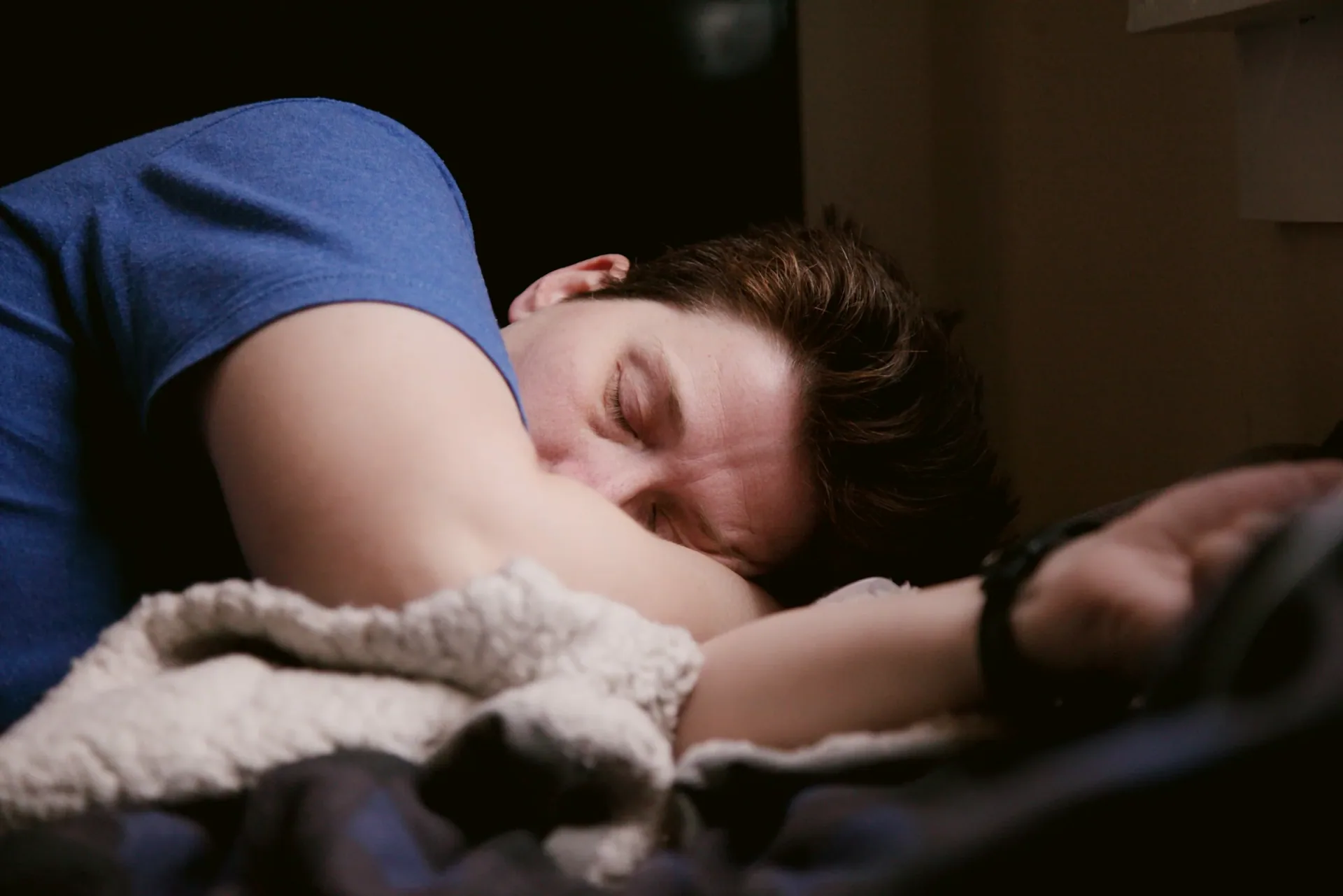
You may be grinding your teeth at night if you wake with a sore jaw, a dull headache around the temples, or teeth that feel tender or sensitive, or if a partner has heard grinding while you sleep. Nighttime grinding and clenching, called sleep bruxism, is common and often goes unnoticed for years. A custom night guard made by your dentist doesn’t usually stop the habit, but it places a protective cushion between your teeth so the force goes into the guard instead of your enamel and jaw.
What bruxism is
Bruxism is the habit of grinding the teeth side to side or clenching them together. It can happen during the day, when people often clench while concentrating or under stress, or at night, when it happens without any awareness at all. The forces involved during sleep can be considerably stronger than normal chewing, and they may repeat many times a night.
There is rarely one single cause. Stress and anxiety are commonly linked to grinding, and so are sleep disturbances, caffeine or alcohol later in the day, some medications and certain bite patterns. Because nighttime grinding can sometimes be associated with sleep-related breathing problems such as snoring or sleep apnea, it’s worth mentioning any symptoms like loud snoring or daytime tiredness to your dentist and your physician.
Signs you might be grinding
- Waking with a tired, tight or aching jaw.
- Headaches on waking, often around the temples.
- Teeth that look flattened, worn shorter or chipped along the edges.
- New sensitivity to cold, especially near the gumline.
- Cracked teeth, or fillings and crowns that keep breaking.
- Clicking, popping or discomfort in the jaw joint in front of the ears.
- Small ridges along the sides of your tongue or the inside of your cheeks.
- A partner who hears grinding or clicking at night.
Having one or two of these doesn’t confirm bruxism, since other conditions can cause similar symptoms. Your dentist can often spot the telltale wear patterns at a routine check-up, sometimes before you have noticed anything yourself.
Why it’s worth addressing
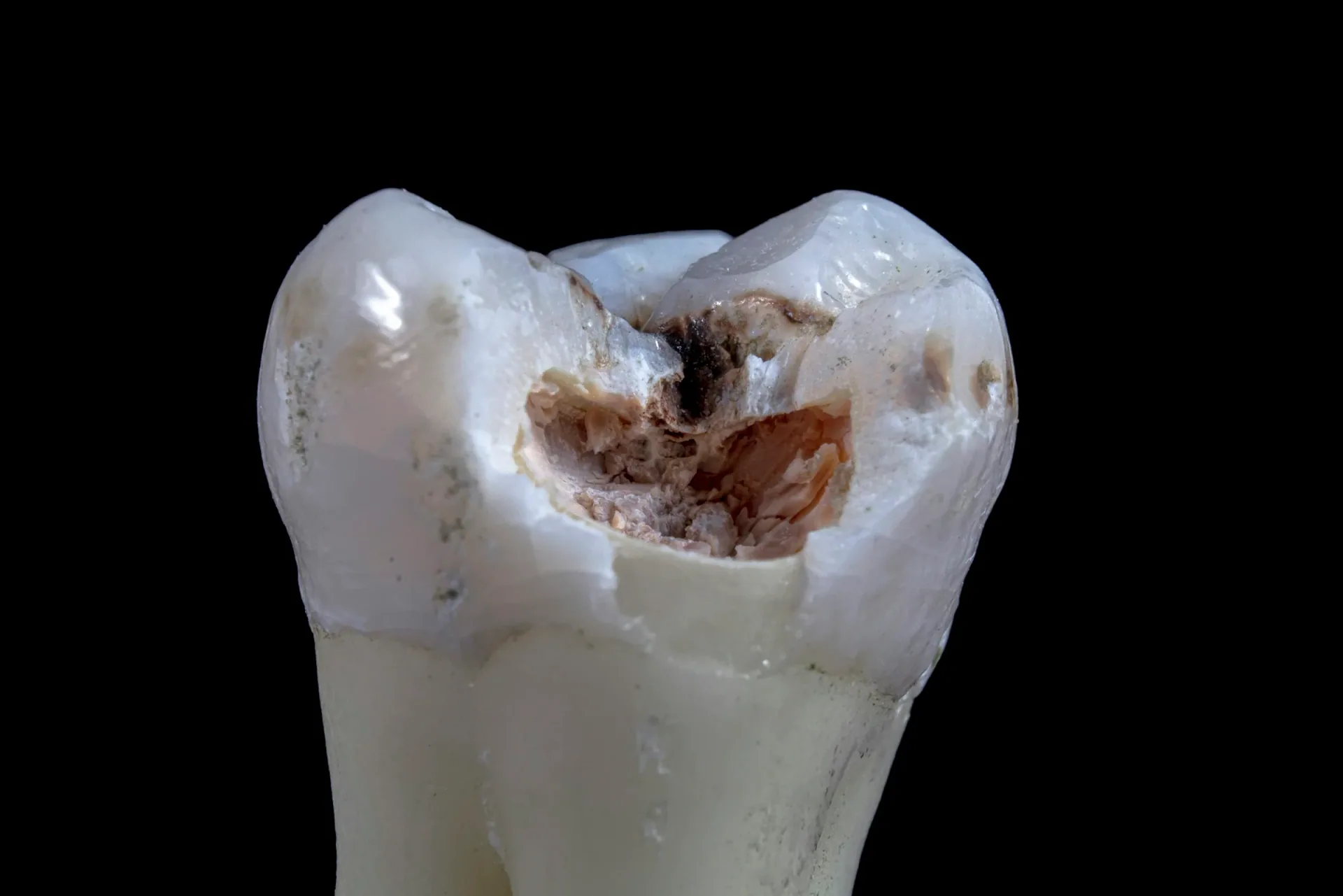
Enamel doesn’t grow back. Over time, steady grinding can wear teeth down, expose the softer layer beneath and lead to sensitivity. Heavy clenching can crack teeth or put existing fillings and crowns under strain, which may eventually mean more involved treatment such as crowns or, in some cases, root canal therapy. The muscles and joints of the jaw can become sore and tired as well. Protecting the teeth early is usually far simpler than repairing them later.
How a custom night guard helps
A night guard is a thin, removable appliance worn over the upper or lower teeth while you sleep. It sits between the teeth so they don’t grind directly against each other, which reduces wear and helps spread the forces more evenly. Many people also find their jaw feels less strained in the morning.
A custom guard is made from impressions of your own teeth, so it fits closely, stays in place and can be kept relatively slim. That fit matters because a guard only helps if you’re comfortable enough to wear it every night. Your dentist will check how it meets your bite and adjust it so it feels balanced.
Custom or over-the-counter?
Store-bought guards, including the boil-and-bite type, are less expensive and can be a stopgap, but they tend to be bulkier and fit less precisely. A loose or uneven guard can be uncomfortable, and many people stop wearing them. If you’re unsure which is right for you, your dentist can look at your wear pattern and advise.
Living with a night guard
Most people adjust to wearing a guard within a few nights. Rinse and brush it gently each morning, let it dry, and store it in its case away from heat and pets. Bring it to your check-ups so it can be examined for wear or cracks. Alongside the guard, small habits can help: easing off caffeine late in the day, building a calmer bedtime routine and noticing daytime clenching so you can relax your jaw, with lips together and teeth apart.
If you think you may be grinding, or you’ve noticed worn or chipped teeth, call Farah Dentistry at (321) 269-3802 or book a visit. We’ll take a look, talk through what we see and help you decide whether a night guard makes sense.
This article is general information, not a diagnosis or a substitute for an examination. For advice about your own teeth, please contact us.