Restorative Dentistry

Crowns crafted to feel like your own.

When decay or damage has weakened a tooth, a crown covers and protects what remains so you can chew and smile with confidence again. At Farah Dentistry in Titusville, each crown is made by a local Central Florida lab and matched to the color of your natural teeth.

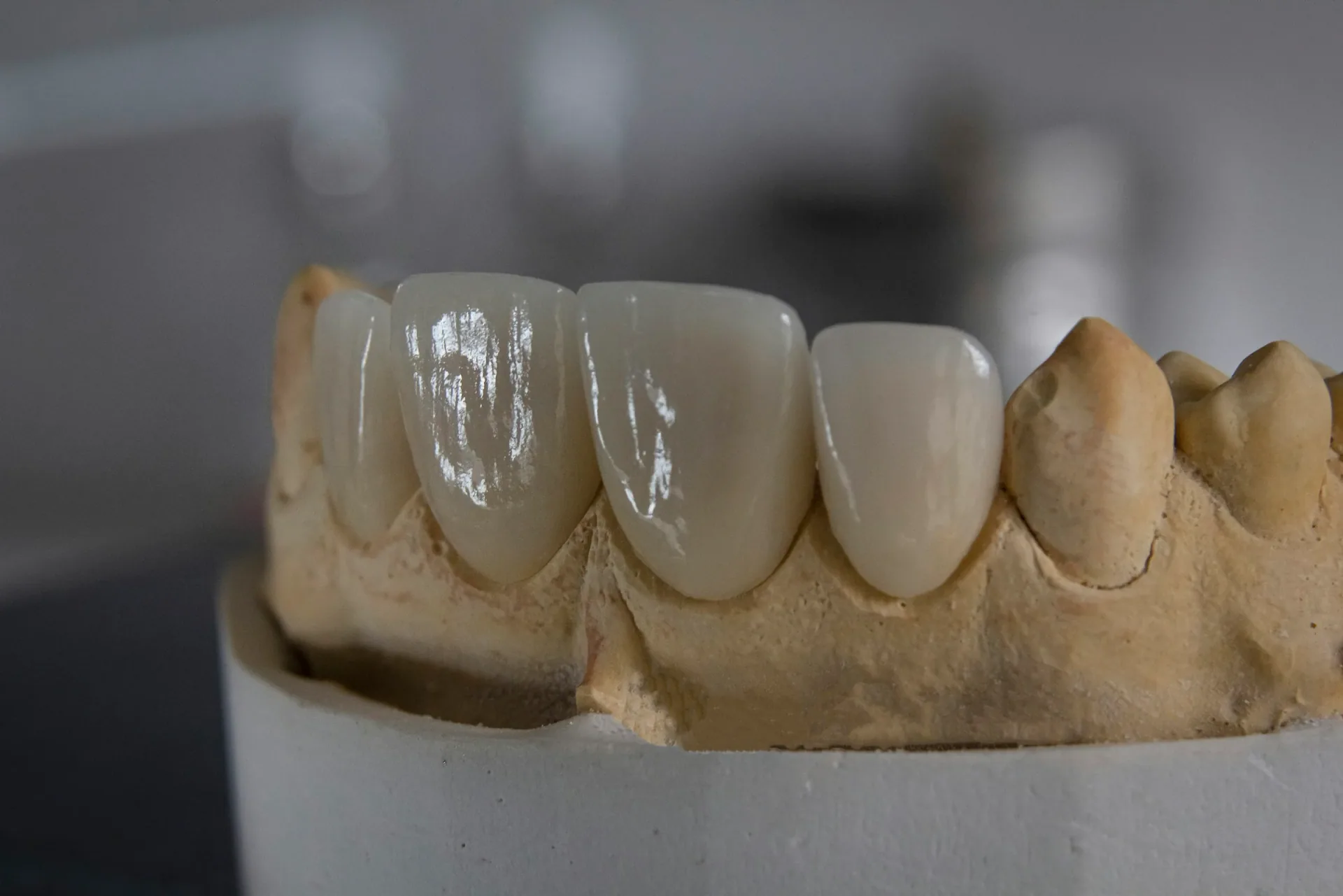
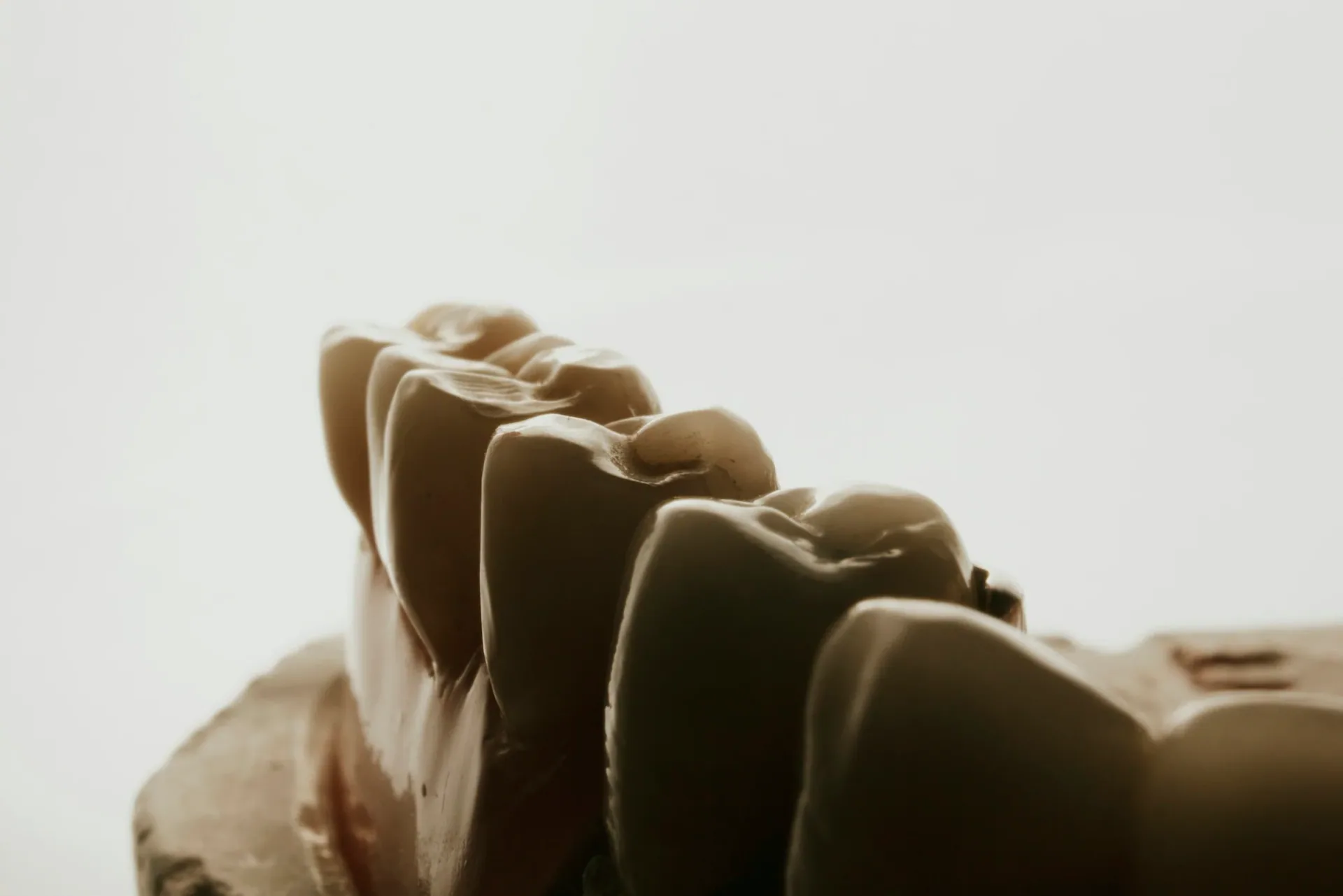
Handcrafted ceramic crowns on a dental model

Dental Crowns at a glance

What it is
When decay or damage has weakened a tooth, a crown covers and protects what remains so you can chew and smile with confidence again.
Who it may suit
Teeth with large cavities or extensive old fillings; cracked, broken or badly worn teeth.
What to expect
Examination and options → Preparing the tooth → Impression and temporary → Fitting the final crown
Where & coverage
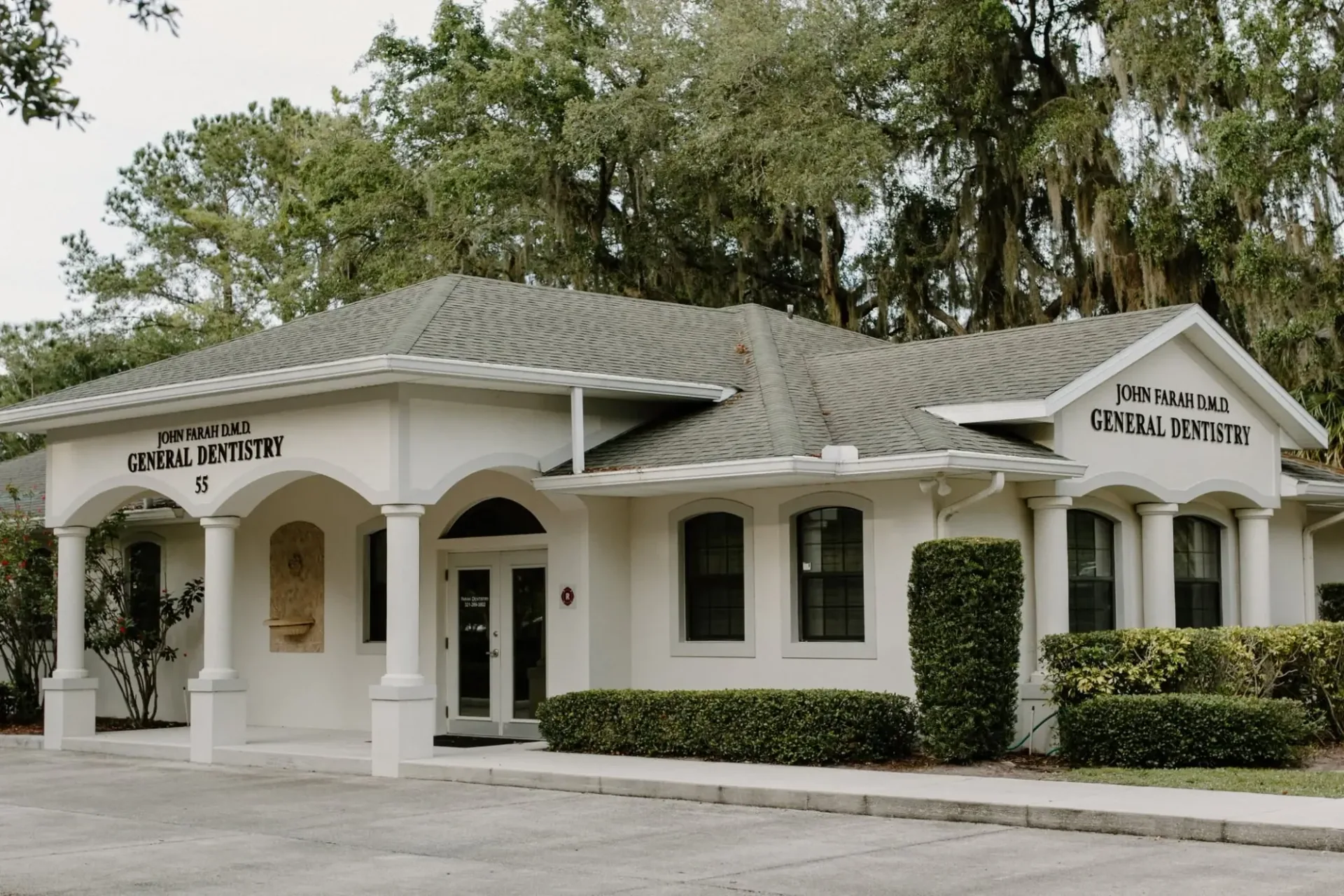
Farah Dentistry, 55 North Carpenter Road, Titusville, FL. In-network with Delta Dental PPO, Cigna, GEHA and DHA; CareCredit and Cherry financing.

When a crown is recommended

When decay or damage to a tooth becomes significant, a dental crown is often the recommended way to save it. A crown is a custom-made cap that covers the visible part of the tooth, holding it together and protecting it from further breakdown.

Crowns are also commonly used to anchor a dental bridge, which replaces one or more missing teeth, and to protect a tooth after root canal treatment.
When another option may be better

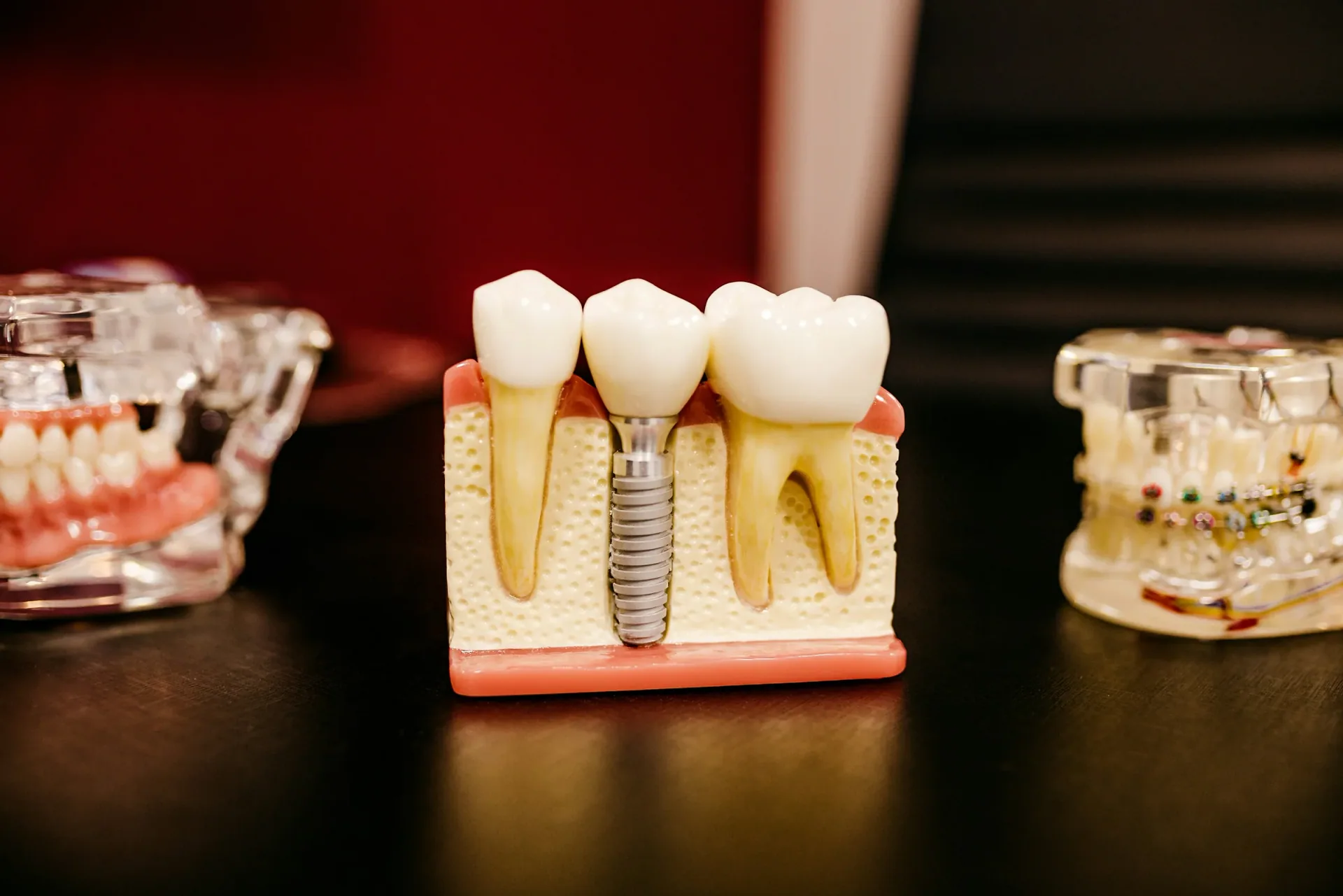
If damage extends to the foundation (root) of the tooth, a bridge or dental implant may be a better solution than a crown. After your initial examination, we will talk through every restorative option with you so you can decide with a clear understanding of each.

Materials and craftsmanship

Crowns are most commonly made of porcelain or porcelain bonded to metal, usually gold. They are fashioned in a dental laboratory by trained technicians to provide strength and an appearance similar to a healthy tooth.

Farah Dentistry works with a local Central Florida, American-made lab. The lab matches the color of your crown to your natural teeth and shapes it to your bite, so it looks and feels at home in your smile.

Why the tooth is reshaped

A crown must be thick enough to withstand chewing forces. To make room for it, the natural tooth underneath is carefully reduced and shaped. This step is what allows the finished crown to sit at the right height and blend with the neighboring teeth.

Benefits

Why patients choose Dental Crowns

01

Protects a weakened tooth

A crown holds a cracked or heavily restored tooth together and helps prevent it from breaking.

02

Restores comfortable chewing

Shaped to your bite, a crown lets you use the tooth normally again.

03

Shade-matched appearance

The lab matches your crown to the color of your natural teeth.

04

Locally crafted

Each crown is fabricated by a Central Florida, American-made dental lab.

Is it right for you?

Who it may suit

  • Teeth with large cavities or extensive old fillings
  • Cracked, broken or badly worn teeth
  • Teeth that have had root canal treatment
  • Anchors for a dental bridge
  • Misshapen or discolored teeth that need full coverage

Every mouth is different. Your exam is where we confirm the right option for you.

What to expect

Your treatment, step by step

  1. Examination and options

    Your dentist examines the tooth, takes X-rays and discusses whether a crown or another restoration is the right fit.

  2. Preparing the tooth

    After numbing, any decay is removed and the tooth is shaped so the crown will be strong enough for chewing.

  3. Impression and temporary

    We take an impression and record how your teeth meet, then fit a temporary crown while the lab makes your permanent one.

  4. Fitting the final crown

    At your second visit, the temporary is removed, the new crown’s fit and bite are carefully checked, and it is cemented in place.

Technology & technique

The details behind the care

Our technology

Local American-made dental lab

Crowns are crafted by a Central Florida lab, allowing close collaboration on shade, shape and fit.

Digital radiography

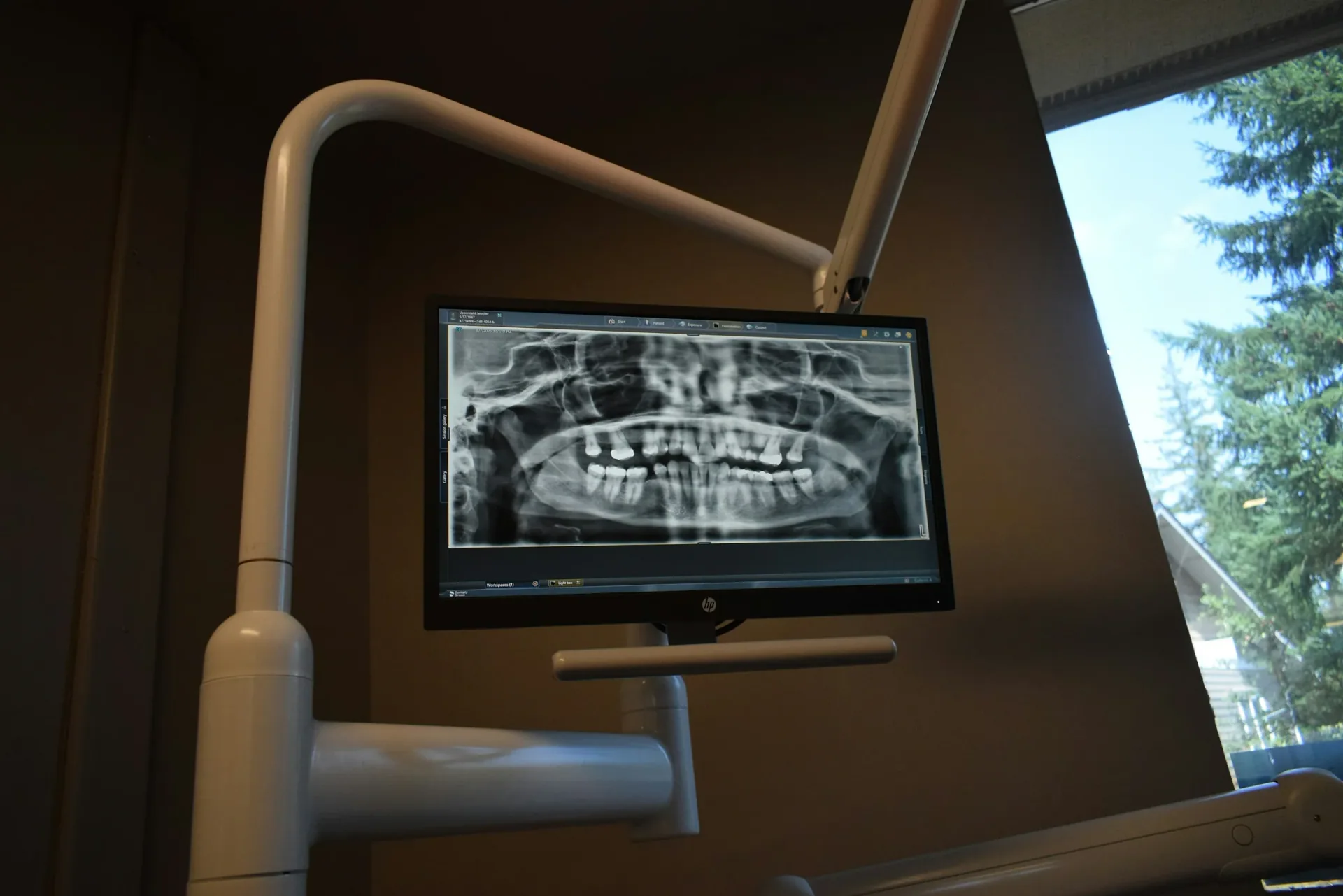
Digital X-rays help assess the tooth and its root before treatment, with lower radiation than film.

Cost & insurance

Know your numbers before you decide

Every plan and every mouth is different, so we confirm your coverage and explain your estimated portion before treatment begins. When you schedule, have your insurance details ready and we’ll verify eligibility for you.

In-network plans

Delta Dental PPO · DHA (Dental Health Alliance) Plans · Cigna Dental Plans · GEHA. We also file all PPO plans on your behalf, including Guardian, Principal, MetLife and more.

Monthly financing

Cash, check and major cards, plus financing through:

Questions

Dental Crowns, answered

How many visits does a dental crown take?

A crown usually takes two visits. The tooth is prepared and a temporary crown placed at the first, and the permanent crown from the lab is fitted and cemented at the second.

Will my crown match my other teeth?

Yes, porcelain crowns are shade-matched to your natural teeth by the dental lab. Your dentist checks the color and shape at the fitting visit before the crown is cemented.

How do I care for a temporary crown?

Chew on the other side when you can, avoid sticky or very hard foods, and slide floss out sideways rather than lifting it up. Call us if the temporary comes loose.

How long does a crown last?

Many crowns last for many years with good brushing, flossing and regular checkups. Grinding, chewing ice or hard objects, and decay at the edge of the crown can shorten its life.

What does a crown cost, and is it covered by insurance?

Cost depends on the tooth and the material, so we provide an estimate after your exam. Many plans cover part of a crown; we are in network with Delta Dental PPO, DHA, Cigna and GEHA, and offer CareCredit and Cherry financing.

Your visit

Ready to talk about Dental Crowns?

Book a visit and we’ll examine, explain your options clearly, and help you choose what’s right for you, with no pressure.