Restorative Dentistry

The middle path between a filling and a crown.

When a tooth has more damage than a filling can comfortably repair but does not yet need a full crown, an inlay or onlay is often the more conservative choice. At Farah Dentistry in Titusville, these restorations are crafted by a dental lab and bonded precisely to your tooth.

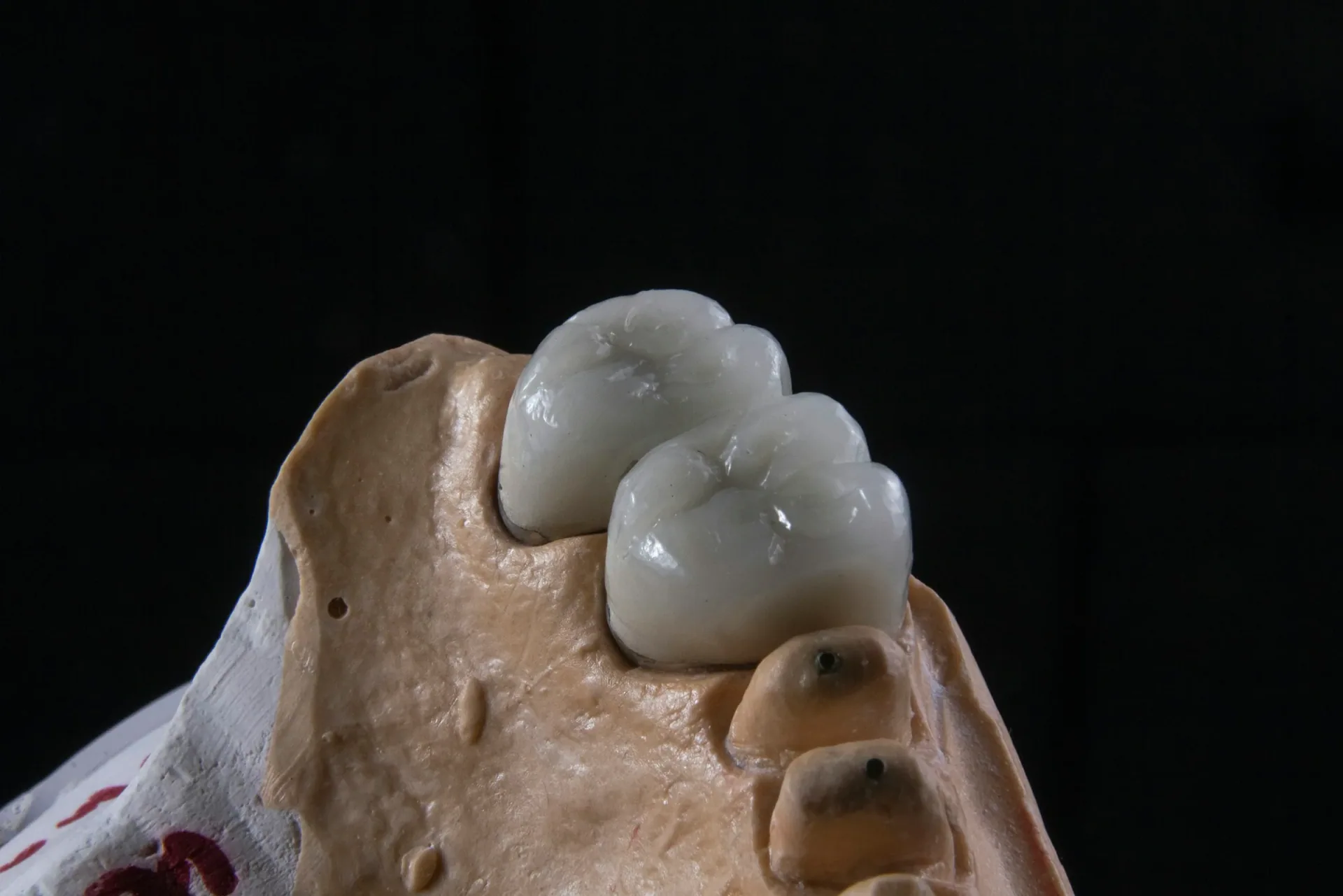
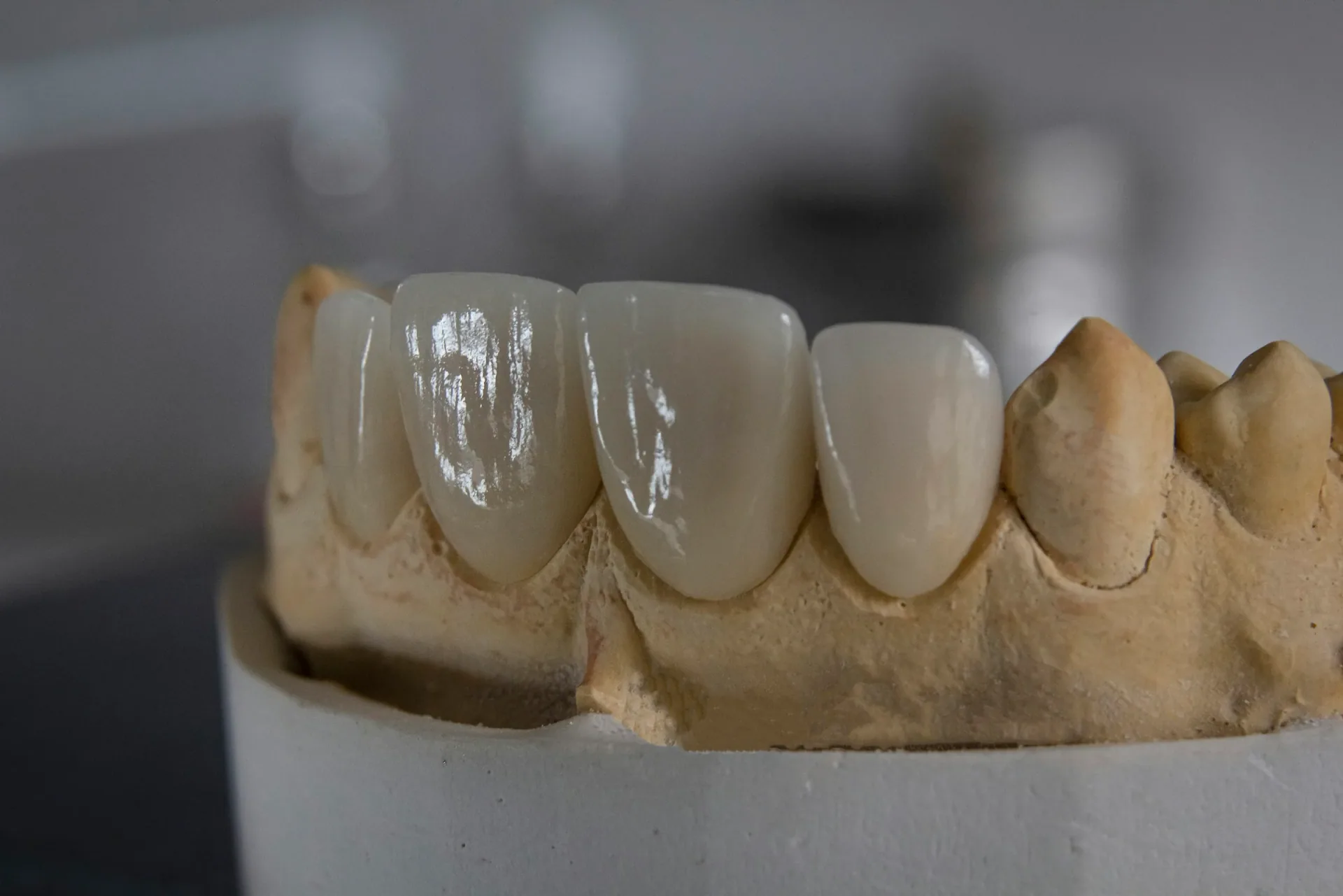
A ceramic onlay seated on a dental model

Inlays & Onlays at a glance

What it is
When a tooth has more damage than a filling can comfortably repair but does not yet need a full crown, an inlay or onlay is often the more conservative choice.
Who it may suit
Back teeth with damage too large for a standard filling; large, worn or failing older fillings.
What to expect
Preparing the tooth → Impression → Lab fabrication → Fitting and bonding
Where & coverage
Farah Dentistry, 55 North Carpenter Road, Titusville, FL. In-network with Delta Dental PPO, Cigna, GEHA and DHA; CareCredit and Cherry financing.

A conservative alternative to a crown

When a large portion of a tooth is damaged, sometimes more than half, your dentist may recommend replacing the damaged structure with an inlay or onlay. Unlike a crown, which covers the whole tooth, these restorations replace only what is missing, so more of your healthy tooth can be preserved.
Inlay or onlay: what is the difference

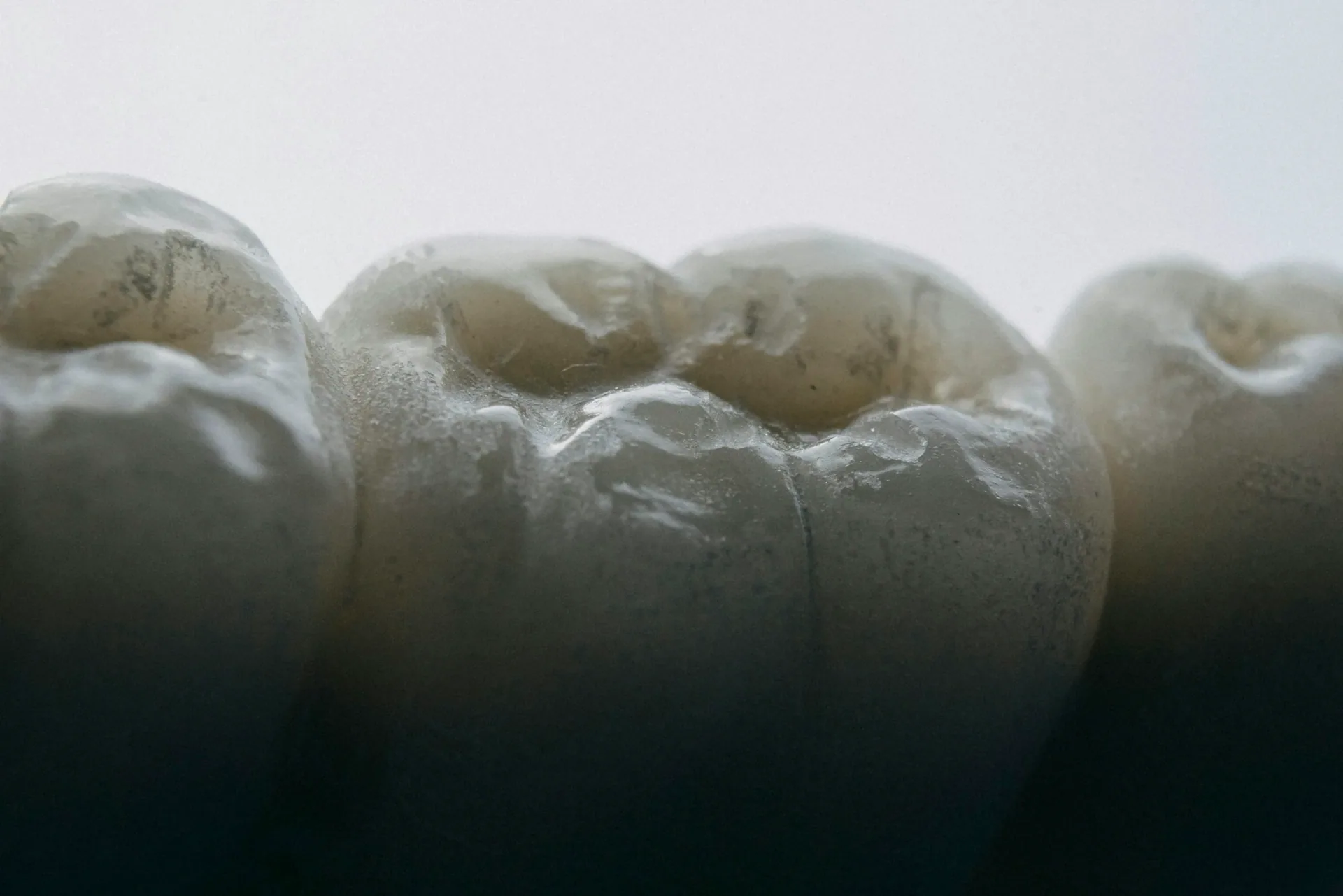
An inlay sits within the grooves of the chewing surface, between the cusps (the raised points of the tooth). It is appropriate when the damage is more limited.

An onlay extends over one or more cusps. It is used when damage is more extensive but not enough to warrant a full crown.

Materials

Inlays and onlays can be made from porcelain, gold or composite resin, and they are bonded to the tooth. These materials are generally stronger than traditional silver fillings, help protect the tooth from further decay or damage, and are often expected to last longer than a large composite filling. Your dentist will discuss which material suits the tooth’s position and your preferences.

Made by a dental lab

Because an inlay or onlay is fabricated outside the mouth, it can be shaped with fine detail for an accurate fit and a natural contour. Farah Dentistry works with a local Central Florida, American-made dental lab for this kind of restoration.

Benefits

Why patients choose Inlays & Onlays

01

Preserves natural tooth

Only the damaged portion is replaced, rather than reshaping the whole tooth for a crown.

02

Strong and durable

Lab-made restorations are designed to handle chewing forces on back teeth well.

03

Precise fit

Crafting the restoration in a lab allows careful attention to contour and fit before it is bonded.

04

Natural appearance

Porcelain and composite options can be matched to the shade of your surrounding teeth.

Is it right for you?

Who it may suit

  • Back teeth with damage too large for a standard filling
  • Large, worn or failing older fillings
  • Teeth with a broken cusp that do not yet need a crown
  • Patients who want to keep as much natural tooth as possible

Every mouth is different. Your exam is where we confirm the right option for you.

What to expect

Your treatment, step by step

  1. Preparing the tooth

    After numbing, Dr. Farah removes the damaged area or old filling and shapes the tooth for the restoration.

  2. Impression

    An impression of the tooth is taken and sent to the dental lab, and a temporary restoration protects the tooth in the meantime.

  3. Lab fabrication

    The lab crafts your inlay or onlay in the chosen material to match the impression.

  4. Fitting and bonding

    At your second visit, we check the fit carefully and bond the restoration to your tooth with a strong resin cement.

Technology & technique

The details behind the care

Our technology

Local American-made dental lab

Restorations are fabricated by a Central Florida lab, which keeps communication close and craftsmanship consistent.

A range of restorative materials

Porcelain, gold and composite are available, chosen by the tooth’s needs and your preference.

Cost & insurance

Know your numbers before you decide

Every plan and every mouth is different, so we confirm your coverage and explain your estimated portion before treatment begins. When you schedule, have your insurance details ready and we’ll verify eligibility for you.

In-network plans

Delta Dental PPO · DHA (Dental Health Alliance) Plans · Cigna Dental Plans · GEHA. We also file all PPO plans on your behalf, including Guardian, Principal, MetLife and more.

Monthly financing

Cash, check and major cards, plus financing through:

Questions

Inlays & Onlays, answered

When is an inlay or onlay better than a filling?

An inlay or onlay is often recommended when damage is too large for a filling to support the tooth well. It is a stronger, lab-made restoration that still preserves more natural tooth than a crown.

How long do inlays and onlays last?

With good home care and regular checkups, inlays and onlays are generally expected to last longer than a large composite filling. How long yours lasts depends on the material, your bite and habits such as grinding.

How many visits does an inlay or onlay take?

Usually two. The tooth is prepared and an impression taken at the first visit, and the finished restoration is bonded at the second.

Will it look natural?

Porcelain and composite inlays and onlays can be shaded to blend with your teeth. Gold is also available and is valued by some patients for its durability on back teeth.

Is an inlay or onlay covered by insurance?

Many plans provide some coverage for inlays and onlays, though benefits vary. Our team can review your plan and discuss CareCredit or Cherry financing if helpful.

Your visit

Ready to talk about Inlays & Onlays?

Book a visit and we’ll examine, explain your options clearly, and help you choose what’s right for you, with no pressure.