Restorative Dentistry

Saving the tooth, gently and carefully.

A root canal treats infection deep inside a tooth so the tooth itself can be kept. At Farah Dentistry in Titusville, the area is thoroughly numbed and each step is explained, and most patients find the experience far easier than they expected.

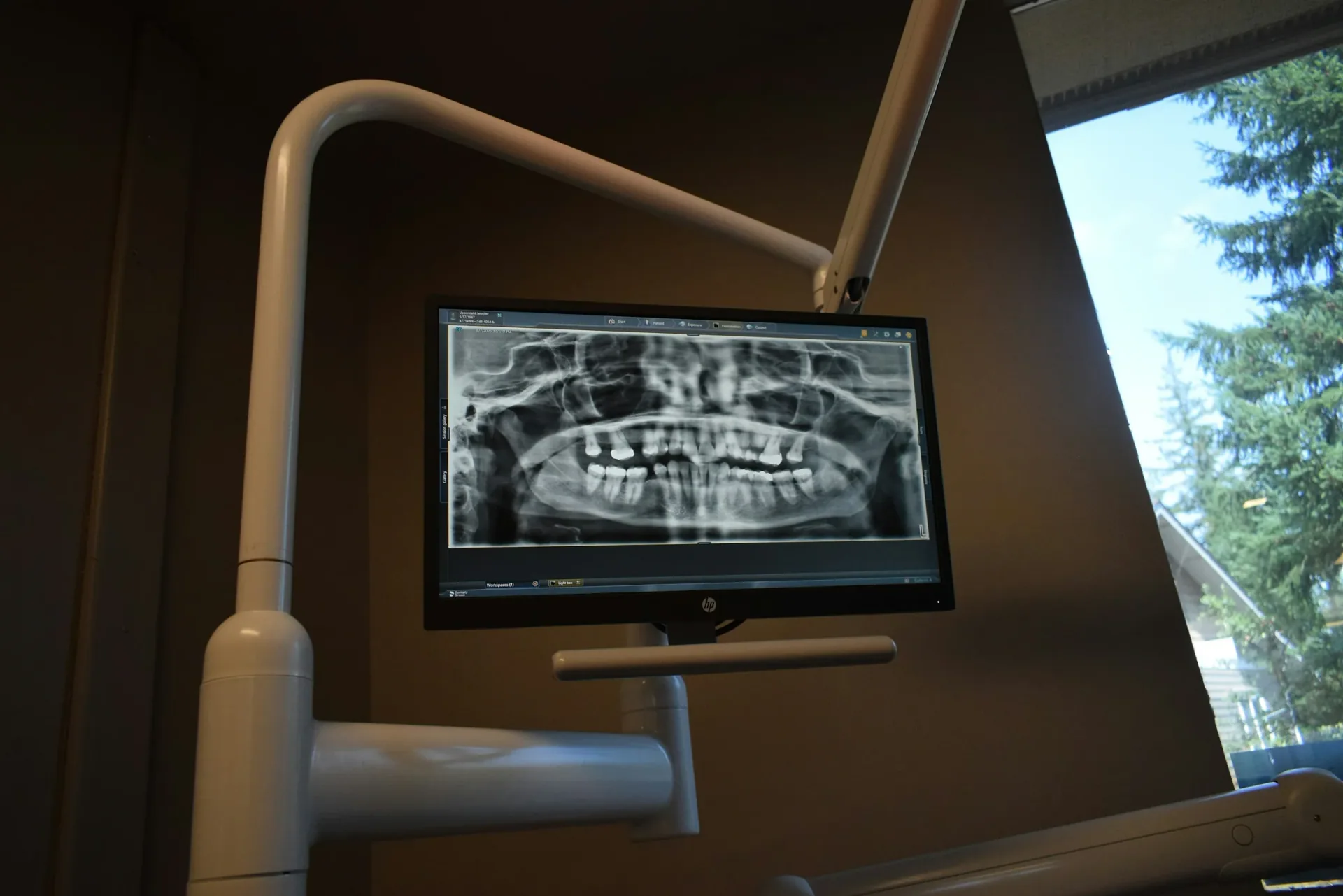
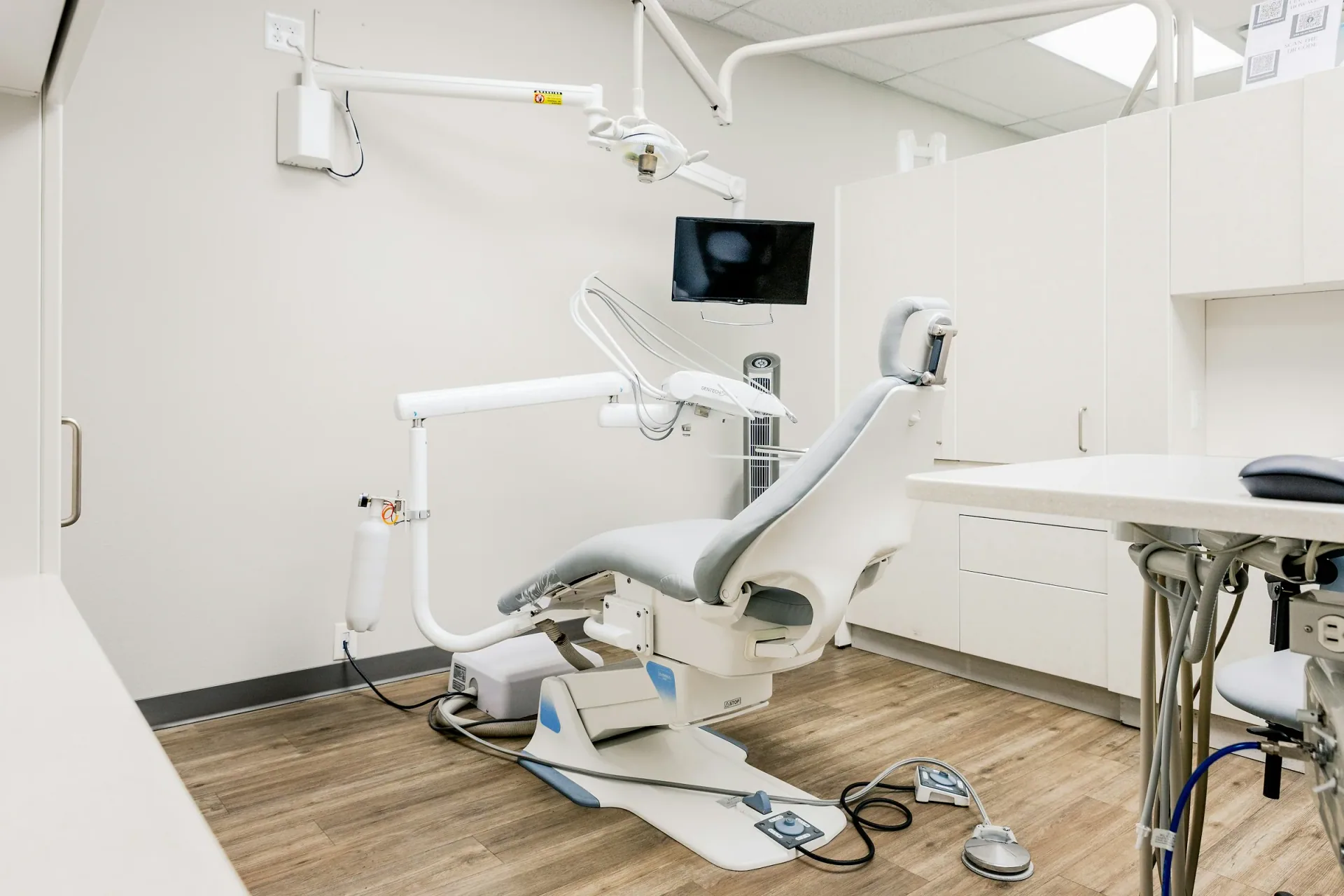
A dental x-ray displayed on a monitor beside the treatment chair

Root Canal Treatment at a glance

What it is
A root canal treats infection deep inside a tooth so the tooth itself can be kept.
Who it may suit
A lingering toothache, especially when biting or at night; sensitivity to hot or cold that does not fade.
What to expect
Diagnosis → Numbing and access → Cleaning the canals → Filling and soothing → Final restoration
Where & coverage
Farah Dentistry, 55 North Carpenter Road, Titusville, FL. In-network with Delta Dental PPO, Cigna, GEHA and DHA; CareCredit and Cherry financing.

What the root canals are

Root canals are the thin passages that run from the soft inner tissue of the tooth, called the pulp, down to the tip of each root. They contain nerve fibers and blood vessels that kept the tooth alive while it developed.

These canals can become infected in several ways, most commonly through an untreated cavity that reaches the pulp. Deep cracks or repeated work on a tooth can also play a part. Because the canals contain nerves, an infection is often accompanied by pain, which can range from mild sensitivity to a persistent ache.
Why root canal treatment is worth considering

Root canal treatment removes the infection while keeping your natural tooth in place, which supports your oral health and your bite. It can also improve the appearance of a tooth that has darkened because of infection.

Keeping the tooth is also a preventive step: it can help you avoid the more involved and costly restorations needed to replace a tooth lost to decay and infection.

Is a root canal painful?

Many people worry about pain, but modern root canal treatment is usually no more uncomfortable than having a filling placed. The area is fully numbed first, and the treatment often relieves the pain that brought you in.

Complex cases and specialist care

When a tooth’s anatomy is unusual or an infection is hard to locate, three-dimensional imaging can help. Farah Dentistry has a PreXion CBCT scanner for these situations. If a case calls for an endodontist (a root canal specialist), we will refer you and coordinate your care.

Benefits

Why patients choose Root Canal Treatment

01

Keeps your natural tooth

Treating the infection allows the tooth to stay in place rather than being extracted.

02

Relieves infection pain

Removing the inflamed or infected tissue usually eases the ache it was causing.

03

Can improve appearance

A tooth darkened by infection may look better after treatment and a final restoration.

04

Avoids larger treatment later

Saving the tooth can prevent the need for a bridge or implant to replace it.

Is it right for you?

Who it may suit

  • A lingering toothache, especially when biting or at night
  • Sensitivity to hot or cold that does not fade
  • Swelling or tenderness in the gum near a tooth
  • A tooth that has darkened in color
  • A deep cavity or crack that reaches the nerve

Every mouth is different. Your exam is where we confirm the right option for you.

What to expect

Your treatment, step by step

  1. Diagnosis

    Your dentist examines the tooth and takes X-rays, and 3D imaging when needed, to understand the infection.

  2. Numbing and access

    After the area is thoroughly numbed, a small opening is made in the surface of the tooth and decayed tissue and bacteria are removed.

  3. Cleaning the canals

    Fine instruments called root canal files remove the nerve tissue and clean infected material from within the canals.

  4. Filling and soothing

    The inside of the tooth is thoroughly cleaned and sealed with filling material, along with medication to soothe the area.

  5. Final restoration

    The tooth is restored with a filling or, in many cases, a crown for added structural support.

Technology & technique

The details behind the care

Our technology

PreXion CBCT 3D imaging

For complex root anatomy or infections that are hard to see on standard X-rays, 3D imaging gives a detailed view of the tooth and surrounding bone.

Digital radiography

Digital X-rays support diagnosis and checks during treatment, with lower radiation than film.

Cost & insurance

Know your numbers before you decide

Every plan and every mouth is different, so we confirm your coverage and explain your estimated portion before treatment begins. When you schedule, have your insurance details ready and we’ll verify eligibility for you.

In-network plans

Delta Dental PPO · DHA (Dental Health Alliance) Plans · Cigna Dental Plans · GEHA. We also file all PPO plans on your behalf, including Guardian, Principal, MetLife and more.

Monthly financing

Cash, check and major cards, plus financing through:

Questions

Root Canal Treatment, answered

Does a root canal hurt?

Modern root canal treatment is usually no more uncomfortable than having a filling, because the tooth is thoroughly numbed first. Many patients feel relief afterward from the pain the infection was causing.

How many visits does a root canal take?

Often the exam and the root canal can be completed in a single visit. More complex cases may need a second appointment, and a crown, if recommended, is usually placed afterward.

Do I need a crown after a root canal?

In many cases, yes. A treated back tooth can become more brittle, and a crown provides structural support. Your dentist will advise whether a filling or a crown is the better final restoration for your tooth.

What happens if I don’t treat an infected tooth?

An infection inside a tooth does not resolve on its own. It can spread, cause swelling and pain, and may eventually lead to losing the tooth, so it is best to have it evaluated promptly.

I have a painful tooth. Can I be seen quickly in Titusville?

Yes. We accept emergencies and walk-ins during office hours, Monday through Thursday 8 am to 5 pm, and same-day emergency appointments are usually available. Call (321) 269-3802.

Your visit

Ready to talk about Root Canal Treatment?

Book a visit and we’ll examine, explain your options clearly, and help you choose what’s right for you, with no pressure.