Oral Surgery
Root Canal vs. Tooth Extraction: Which Is Right for You?
By Farah Dentistry · · 5 min read
The short answer
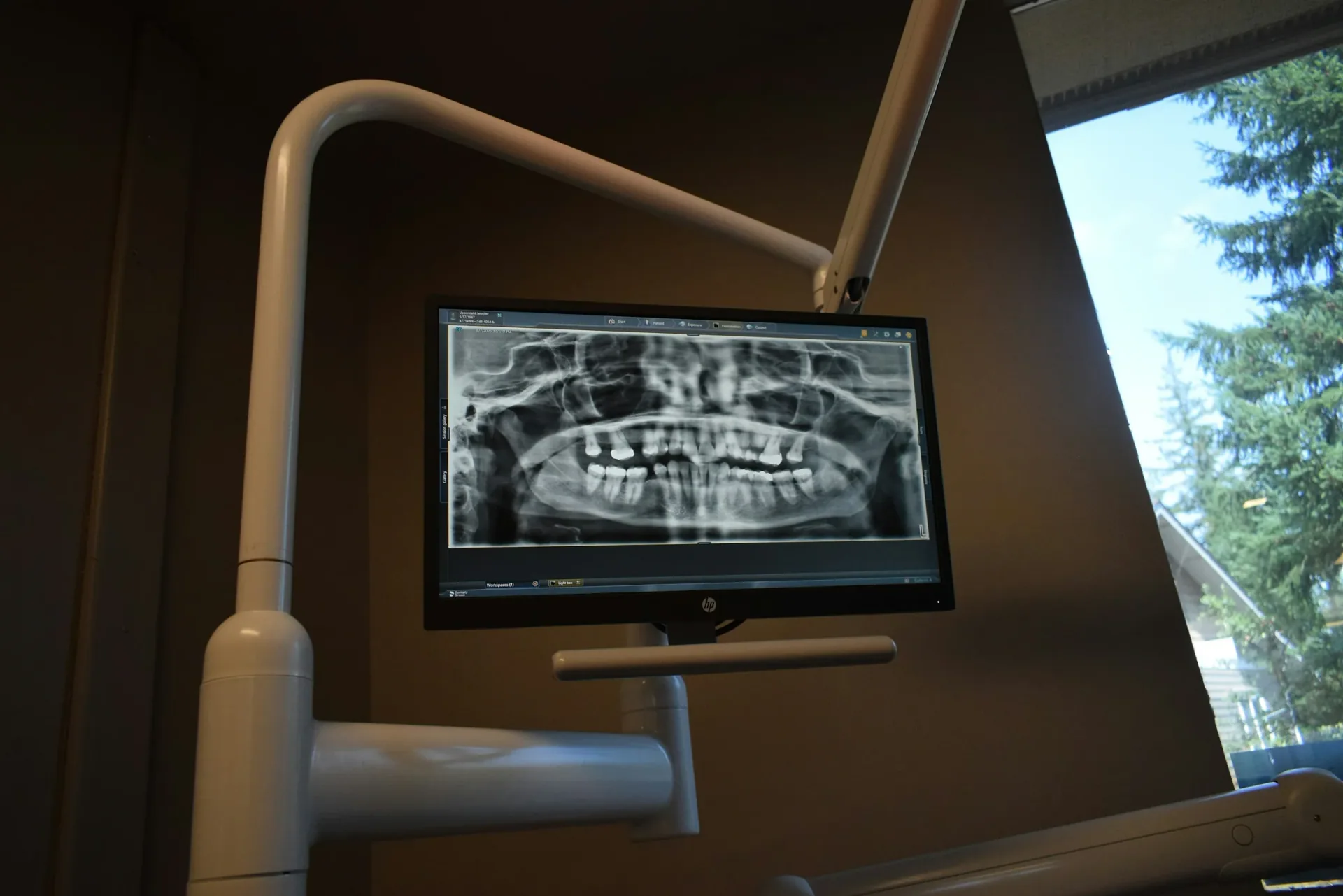
If a tooth can be saved and restored, a root canal is usually the first choice, because it keeps your natural tooth in place. Extraction is generally recommended when a tooth is too damaged or too heavily infected to save, or when the bone around it can no longer support it. An exam and X-rays are needed to tell which applies to you.
What a root canal does
Root canals are the thin passages that run from the soft tissue inside a tooth, called the pulp, down to the tip of each root. When an untreated cavity, a deep crack or repeated work on a tooth lets infection reach the pulp, root canal treatment removes the infected tissue, cleans the inside of the tooth and seals it. The tooth is then restored with a filling or, in many cases, a crown for added support.
What an extraction does
An extraction removes the tooth entirely. It stops a source of ongoing pain and can prevent infection from spreading to the gums, the jawbone and neighboring teeth. At our office, our goal is always to keep your natural teeth, so we treat extraction as a last resort. When a tooth truly can’t be saved, we remove it as gently as possible.
How the two compare
- Your natural tooth: a root canal keeps it; an extraction removes it.
- Comfort: the area is thoroughly numbed for both. Modern root canal treatment is usually no more uncomfortable than having a filling placed.
- Visits: a root canal is followed by a final restoration, often a crown. An extraction may be followed by a replacement tooth.
- Your bite and bone: keeping the tooth supports your bite. After an extraction, the bone in that area can shrink, and neighboring teeth can drift into the gap.
- Long-term planning: a saved tooth usually doesn’t need replacing. A removed tooth often does, with an implant, a bridge or a partial denture.
Signs a tooth may be saved
- Enough healthy tooth structure remains to hold a filling or crown
- The surrounding bone and gums are healthy enough to support the tooth
- The infection can be reached and cleaned
Signs an extraction may be the better choice
- The tooth is too decayed or broken to be restored
- Advanced gum disease has left the surrounding bone unstable
- The infection is too extensive to treat with a root canal
- The damage extends into the root in a way that can’t be repaired
Sometimes the answer isn’t obvious from a regular X-ray. Three-dimensional imaging can help when a tooth’s anatomy is unusual or an infection is hard to locate, and we have a PreXion CBCT scanner at our Titusville office for those situations. If your case calls for a root canal specialist, we’ll refer you to one.
If the tooth does come out
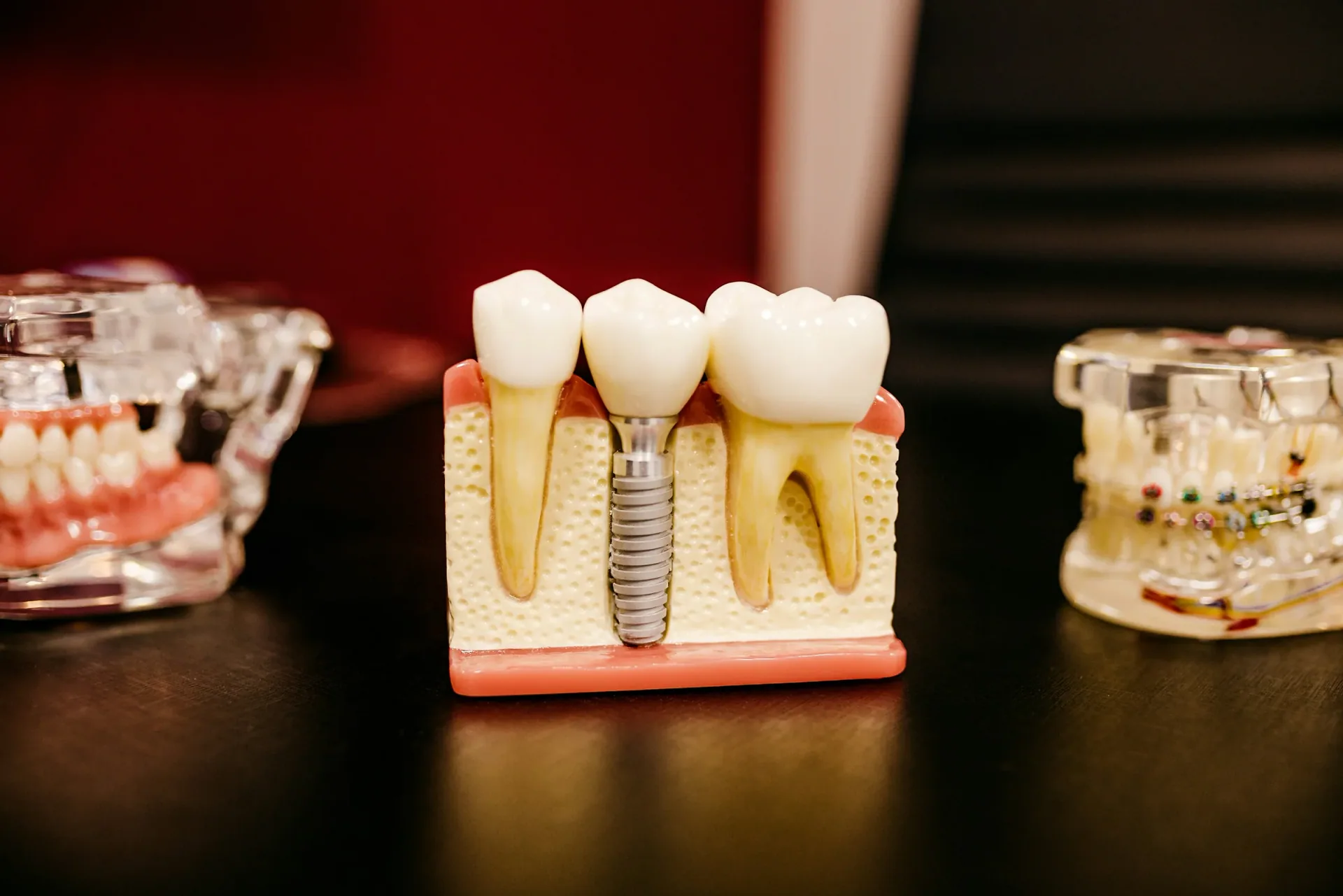
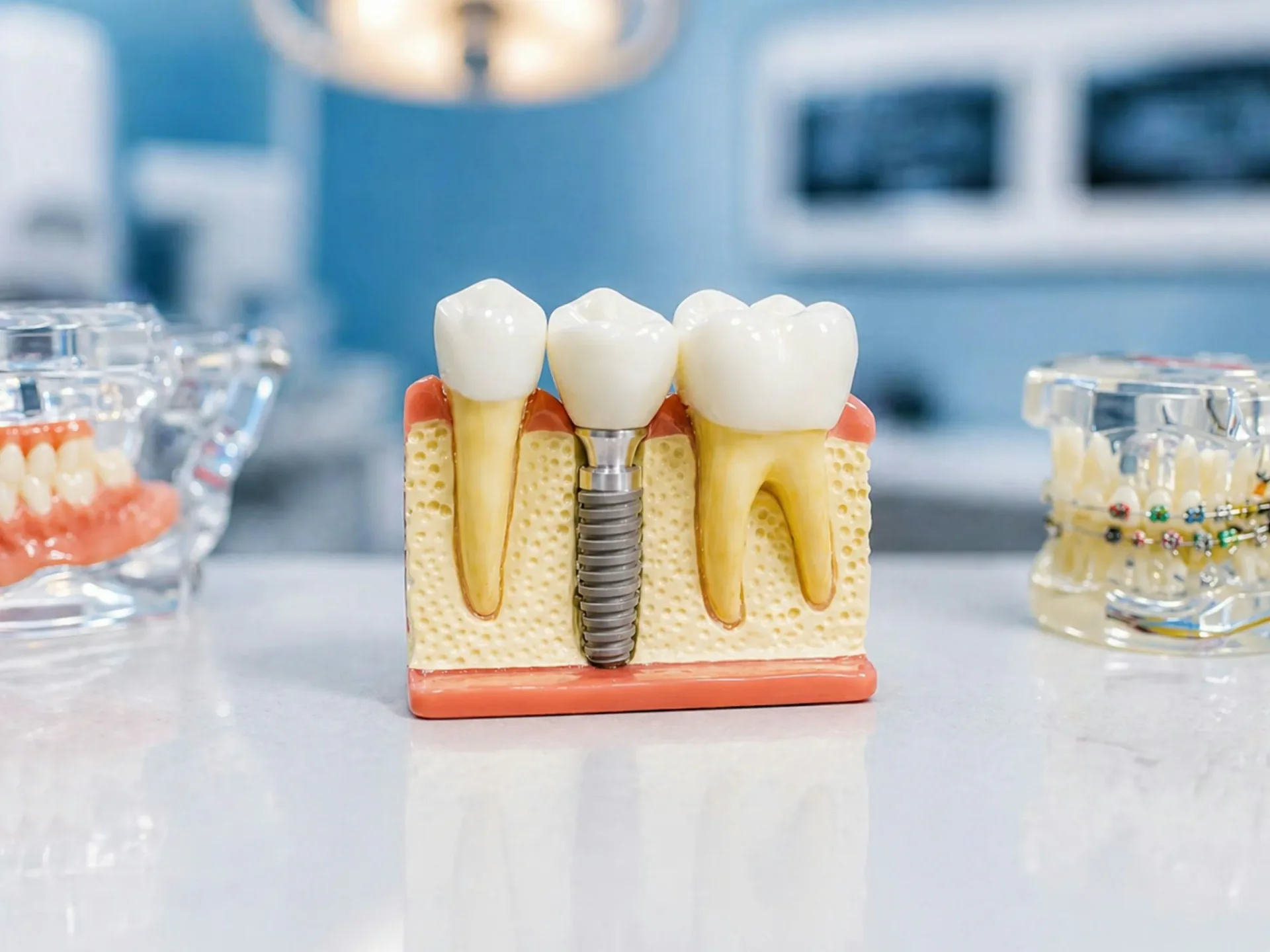
Think about what comes next before the extraction, not after. If you may want a dental implant, socket preservation can be done when the tooth is removed. It fills the site with graft material to limit bone loss, which can make implant placement simpler later. A bridge or a partial denture are other ways to fill the gap, and we’ll talk through each one with you.
Don’t wait and see
A lingering toothache, sensitivity to hot or cold that doesn’t fade, or swelling near a tooth all deserve a prompt look. Infections don’t heal on their own, and even if the pain stops, the problem may still be there. Waiting can also narrow your options, because a tooth that could have been saved may no longer be. To be seen in Titusville, call (321) 269-3802. If you have facial swelling with a fever, or trouble breathing or swallowing, call 911 or go to the emergency room.
This article is general information, not a diagnosis or a substitute for an examination. For advice about your own teeth, please contact us.
Questions
Frequently asked questions
Is it better to get a root canal or pull the tooth?
When a tooth can be saved and restored, a root canal is usually preferred because it keeps your natural tooth and supports your bite. Extraction is generally recommended when the tooth is too damaged or infected to save. Your dentist can tell you which applies after an exam and X-rays.
Does a root canal hurt more than an extraction?
The area is thoroughly numbed for both. Modern root canal treatment is usually no more uncomfortable than having a filling placed, and it often relieves the pain that brought you in.
Do I need a crown after a root canal?
Often, yes. After a root canal the tooth is restored with a filling or, in many cases, a crown for added structural support. Your dentist will recommend what suits that particular tooth.
What happens if I don’t treat an infected tooth?
The infection won’t heal on its own. It can spread to the gums, the jawbone and elsewhere in the body, and a tooth that could have been saved may eventually need to come out. Please have it checked promptly.
How soon after an extraction can I get a dental implant?
It depends on healing. Many patients are ready for an implant around three to four months after socket preservation, and your dentist will confirm the timing once healing has been checked.