Oral Surgery
Dental Implants vs. Bridges vs. Partial Dentures: How to Choose
By Farah Dentistry · · 5 min read
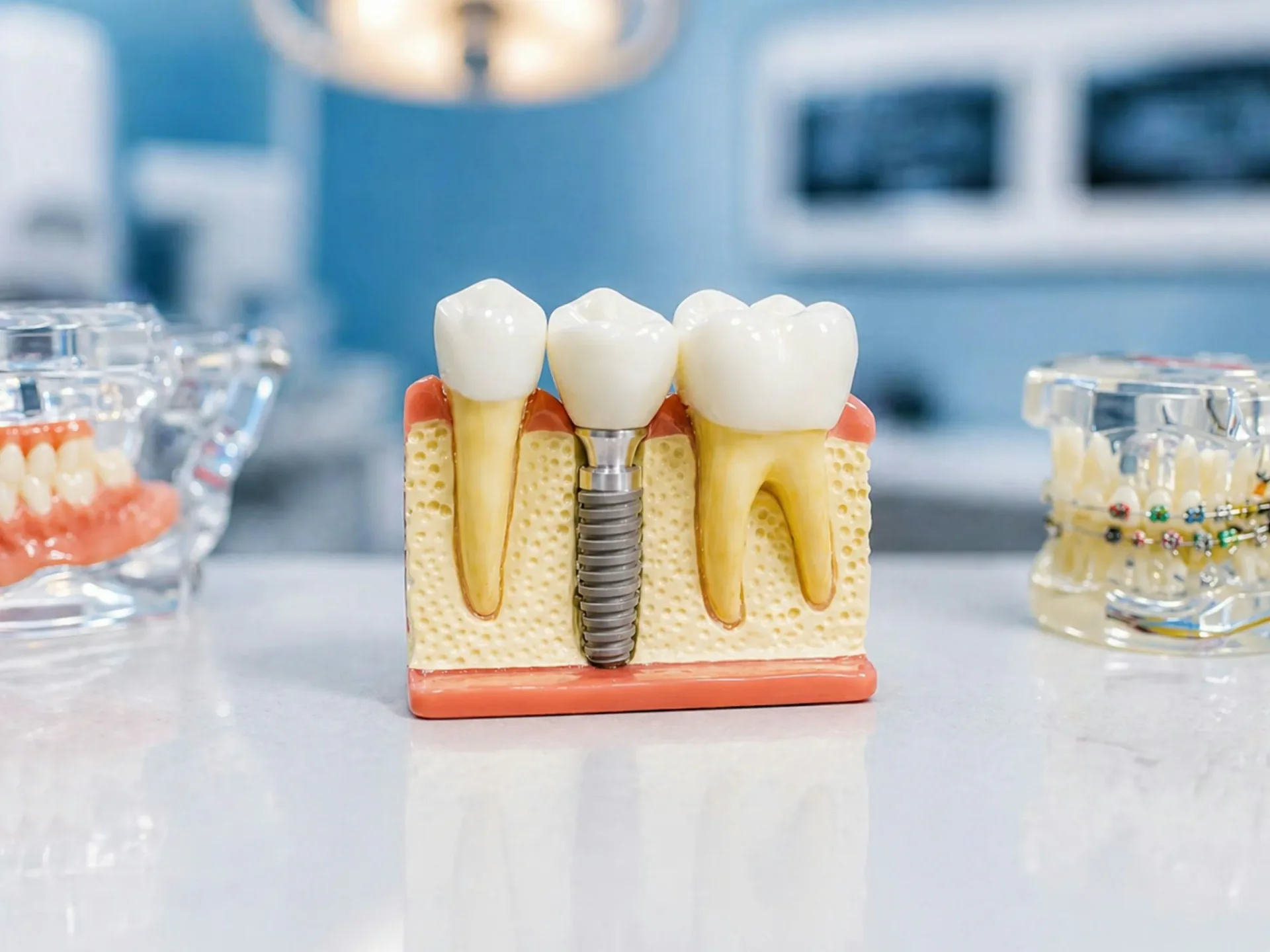
There is no single right way to replace a missing tooth. A dental implant replaces the root and the tooth and stands on its own; a bridge fills the gap by anchoring a false tooth to the teeth on either side; and a partial denture is a removable appliance that clips onto your remaining teeth. The right choice usually depends on how many teeth are missing, the health of the neighboring teeth and jawbone, your general health, and how you feel about something fixed versus removable.
Why replacing a missing tooth matters
A gap can seem harmless, especially toward the back of the mouth where no one sees it. Over time, though, the teeth beside it may drift or tip into the space, the opposing tooth can grow down toward it, and your bite can shift. Chewing often moves to the other side, which places extra load on those teeth. The jawbone where a tooth used to be also tends to shrink gradually once there is no root to support. Replacing a tooth is as much about keeping the rest of your mouth stable as it is about appearance.
Dental implants
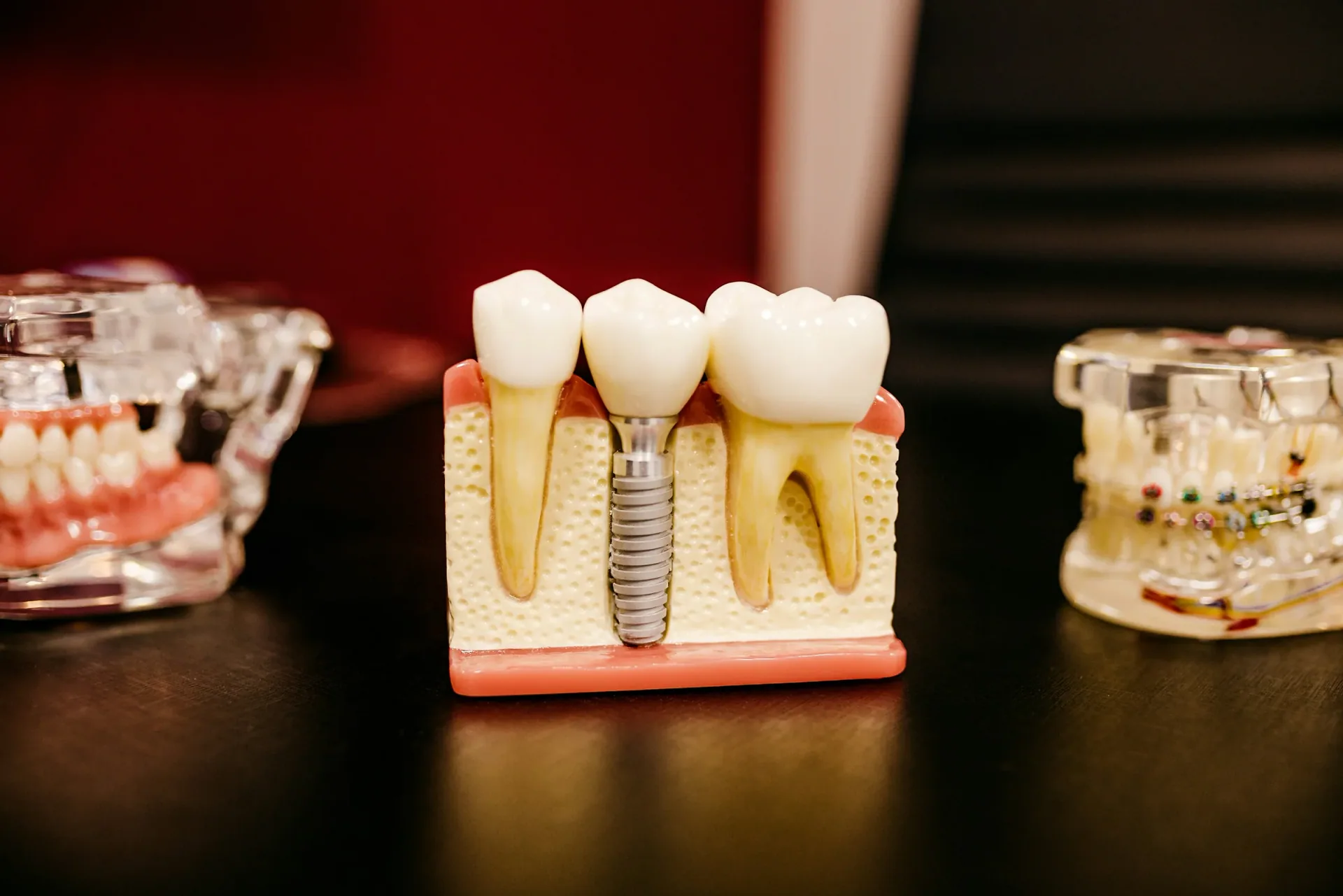
An implant is a small post placed in the jawbone, where it bonds with the bone over a period of healing. A crown is then attached on top. Because it stands independently, an implant doesn’t rely on the neighboring teeth for support, and those teeth don’t need to be reshaped. The implant also gives the jawbone something to work against, which helps preserve bone in that area.
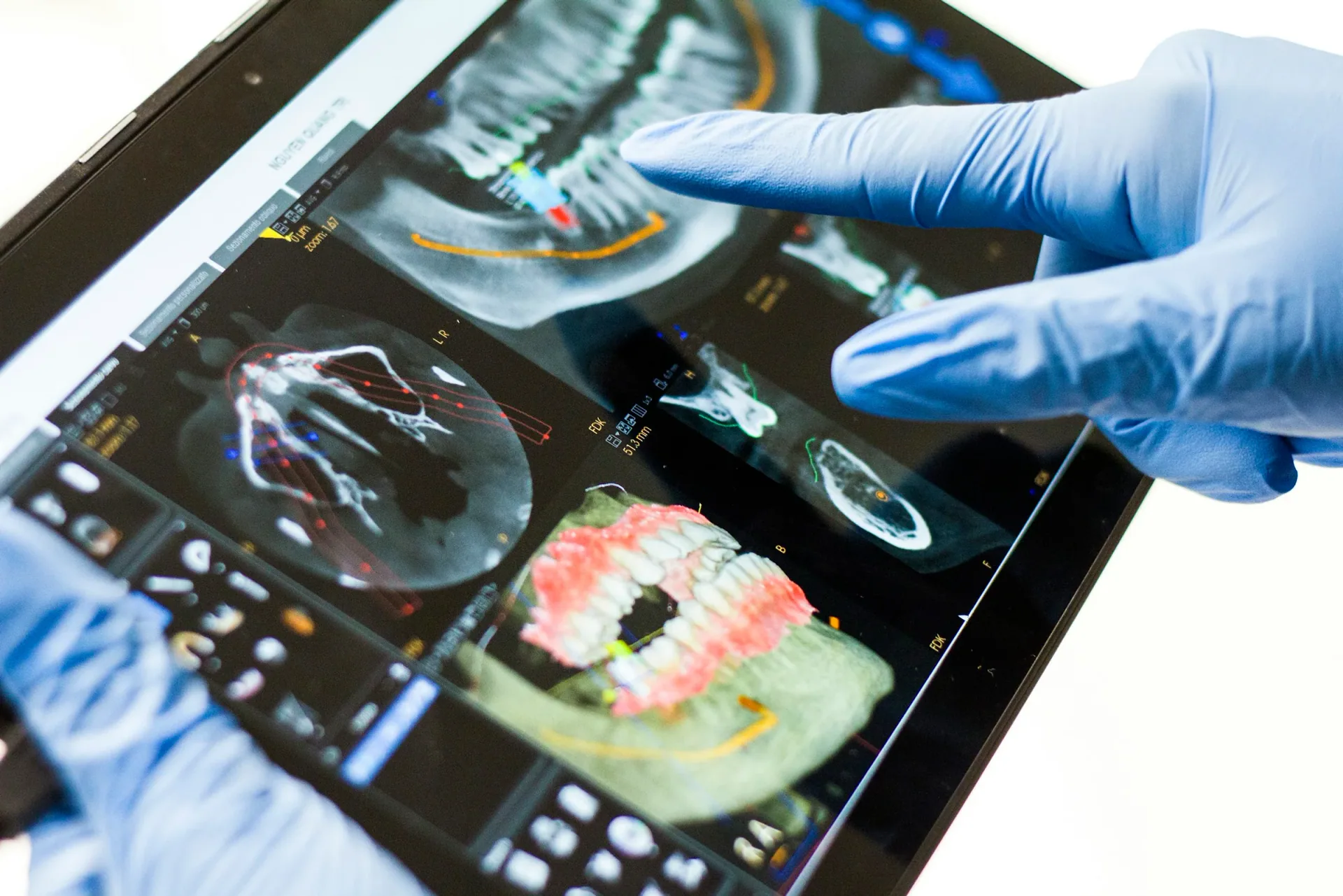
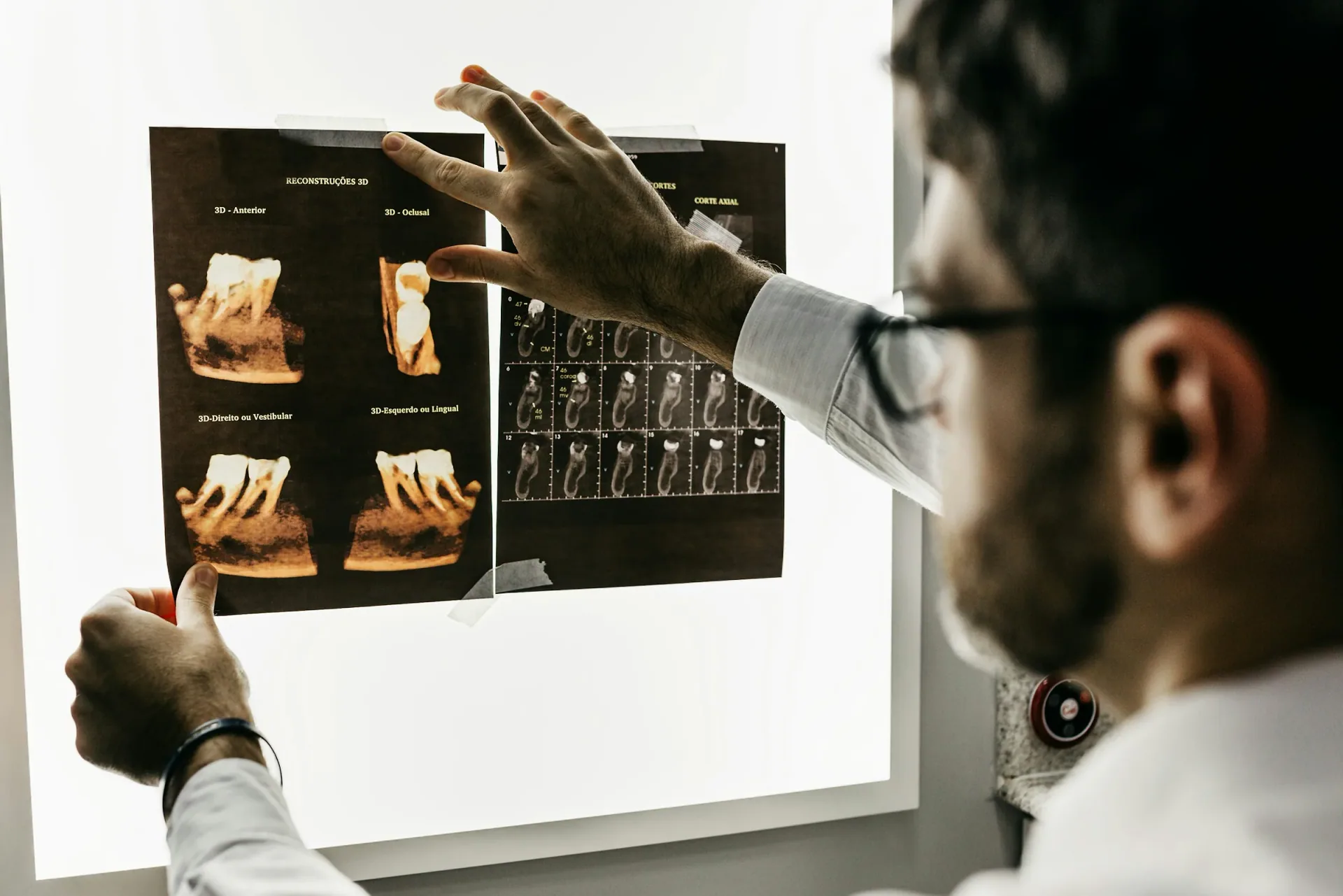
The trade-offs are time and suitability. Treatment usually takes a few months from placement to final crown, and it involves a minor surgical step. There needs to be enough healthy bone to hold the implant, or a plan to build it up. Certain health conditions, uncontrolled gum disease and heavy smoking can affect healing, so your dentist will review your medical history first. Careful planning matters here: 3D imaging such as a PreXion CBCT scan shows bone volume and the position of nerves and sinuses before anything is placed.
Dental bridges
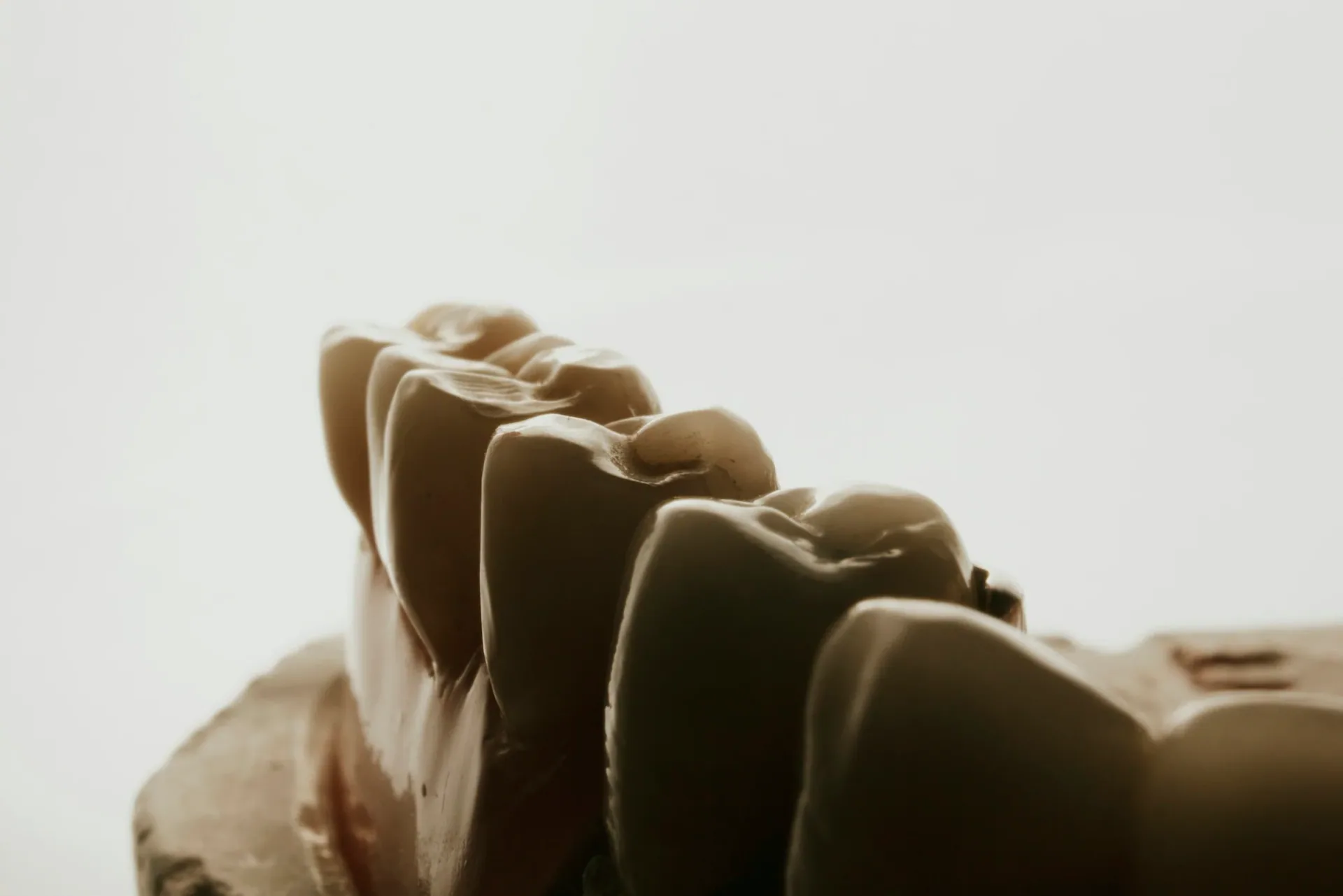
A traditional bridge is a single piece made of a false tooth joined to crowns on either side. The teeth next to the gap are reshaped to receive those crowns, and the bridge is cemented in place so it doesn’t come out. Bridges are a well-established option and usually need just two main visits, with no surgery and no healing period for the bone.
A bridge makes the most sense when the teeth beside the gap already have large fillings or need crowns anyway, since reshaping them does double duty. If those teeth are healthy and untouched, many patients prefer not to file them down. A bridge also doesn’t replace the root, so the bone beneath the false tooth can continue to shrink slowly. Cleaning takes a little extra care too, because floss has to be threaded under the false tooth.
Partial dentures
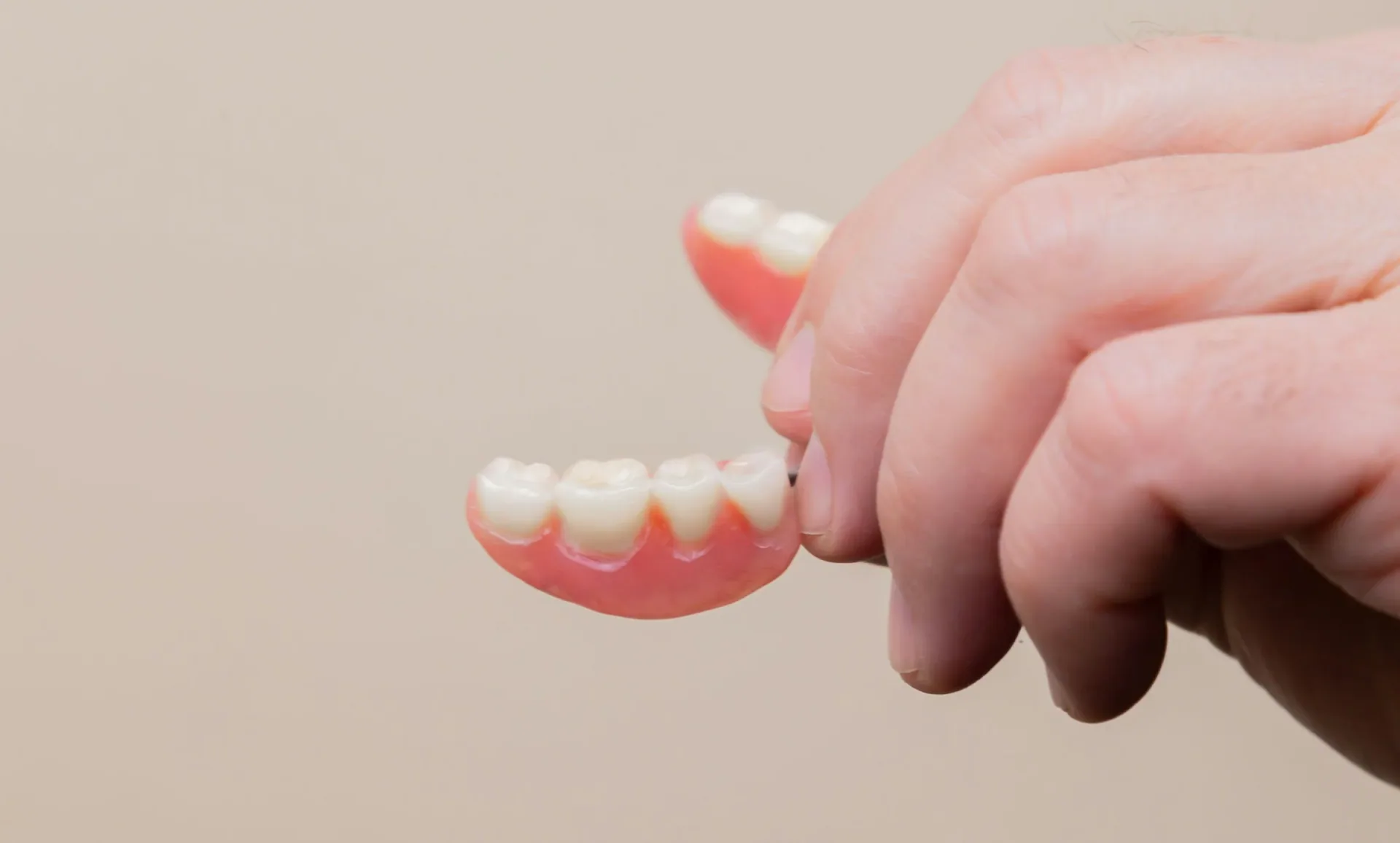
A removable partial denture replaces one or more teeth with false teeth set in a gum-colored base, held in place by clasps or attachments on your natural teeth. It can replace several missing teeth in different parts of the same arch at once, it usually involves the least treatment of the three, and it can often be added to if more teeth are lost later.
Partials come out for cleaning and are usually removed at night. Some people take a little while to get used to the feel and to speaking and eating with one. They don’t preserve bone the way an implant does, and they may need adjusting or relining over the years as the mouth changes.
Questions that usually guide the choice
- How many teeth are missing, and where? One gap, several gaps, or most of an arch each point toward different options.
- Are the neighboring teeth healthy, or do they already need crowns?
- Is there enough bone for an implant, and is your gum health stable?
- Do you have health conditions or medications that affect healing?
- Would you prefer teeth that stay in place, or are you comfortable with something removable?
- How much time are you able to commit to treatment and healing?
- What does your insurance cover, and would spreading the cost through financing help?
What to expect at a consultation
A good decision starts with a thorough look at your mouth. At Farah Dentistry, that means an exam, digital X-rays and, when an implant is being considered, 3D imaging to measure the bone. Dr. Farah will walk you through the options that genuinely suit your situation, including their pros and cons, rather than steering you toward one answer. The practice follows an evidence-based, conservative philosophy, and when a case calls for a specialist, such as a periodontist, a referral is part of the plan. Crowns, bridges and dentures are made with a local Central Florida, American-made dental lab.
It also helps to think about the long term. A choice that looks simplest today may not be the one you’re happiest with in ten years, and the reverse can be true as well. Bring your questions, and ask how each option is cleaned, how long it typically lasts and what future maintenance might involve.
If you’re missing a tooth, or expect to lose one soon, call Farah Dentistry at (321) 269-3802 or book a visit to talk through your options. We’re in network with Delta Dental PPO, DHA, Cigna and GEHA, and CareCredit and Cherry financing are available.
This article is general information, not a diagnosis or a substitute for an examination. For advice about your own teeth, please contact us.