Restorative
Filling, Inlay, Onlay or Crown: Which Does Your Tooth Need?
By Farah Dentistry · · 4 min read
The short answer
The choice depends mostly on how much healthy tooth is left. A filling repairs a small or medium cavity. An inlay or onlay repairs larger damage while keeping more of your natural tooth. A crown covers the whole visible tooth when it has been significantly weakened. In general, your dentist will recommend the most conservative option that will hold up to chewing.
Fillings: for small and medium cavities
After the area is numbed, the decay is removed and the space is filled directly in the mouth. We offer tooth-colored composite resin, which is shaded to blend with your enamel, and traditional amalgam. Modern composite is durable enough for most small and medium cavities, including many on back teeth.
Inlays and onlays: the middle ground
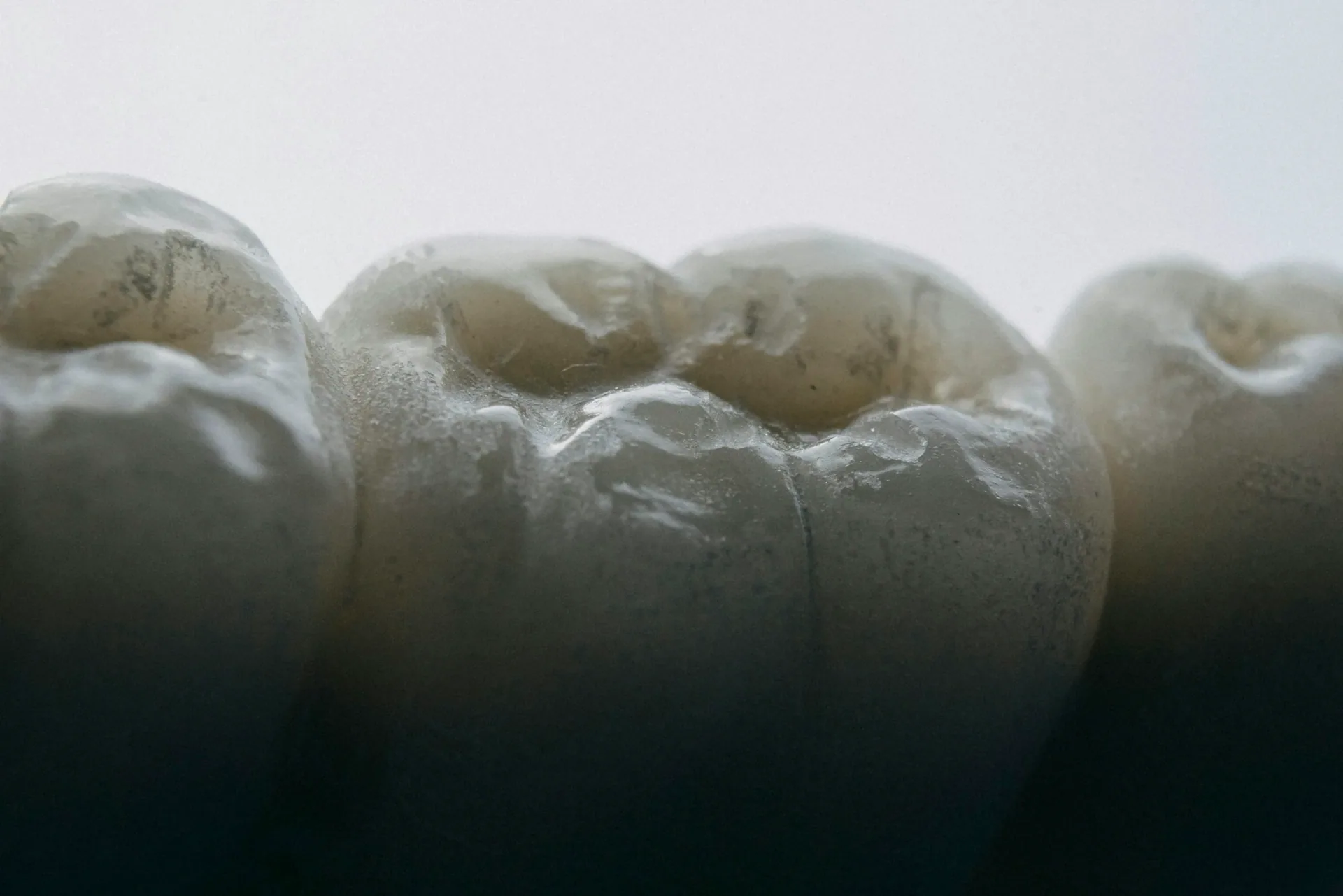
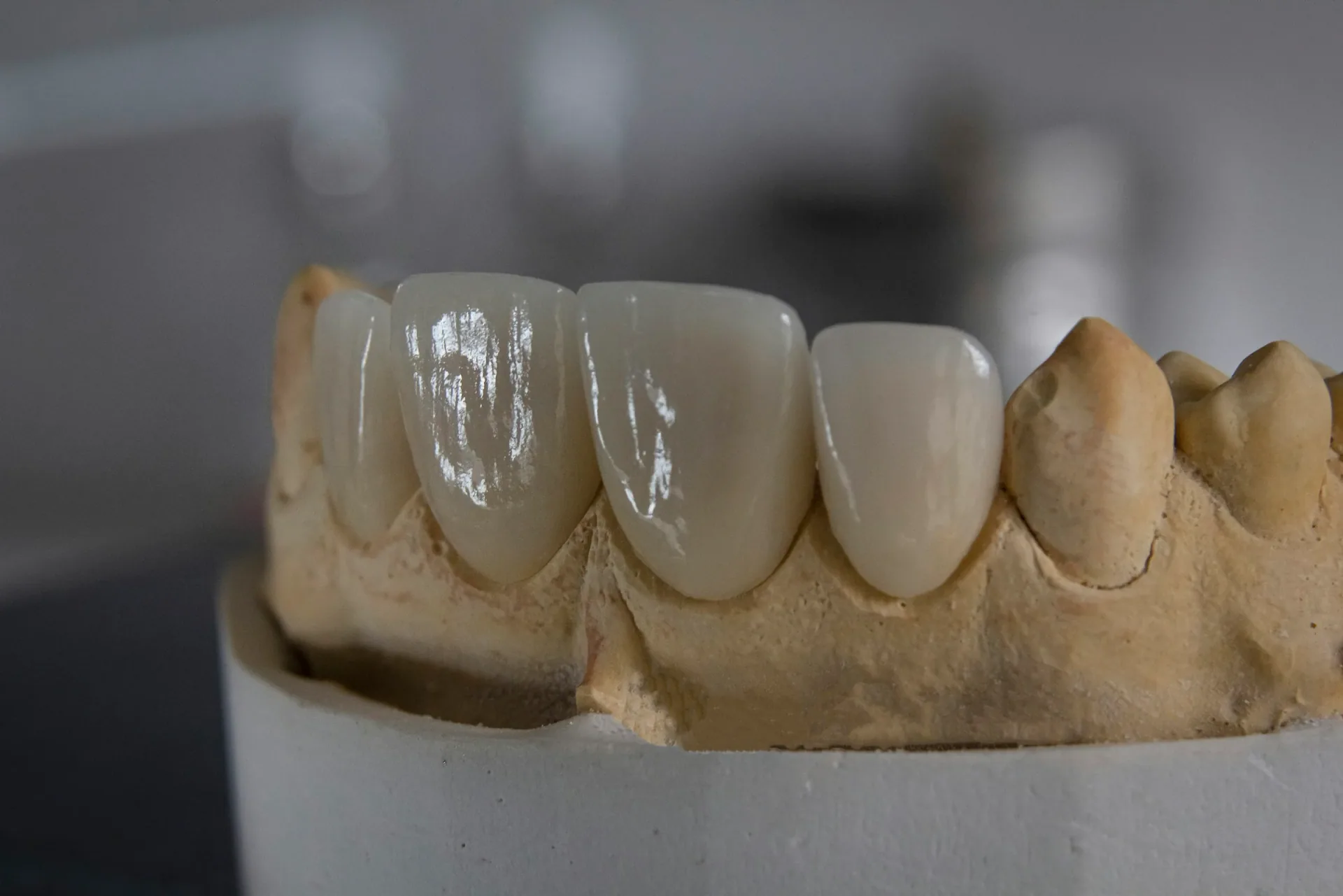
When damage is too large for a standard filling but the tooth doesn’t yet need a crown, an inlay or onlay is often the more conservative choice. An inlay sits within the grooves of the chewing surface, between the cusps, the raised points of the tooth. An onlay extends over one or more cusps when the damage is more extensive.
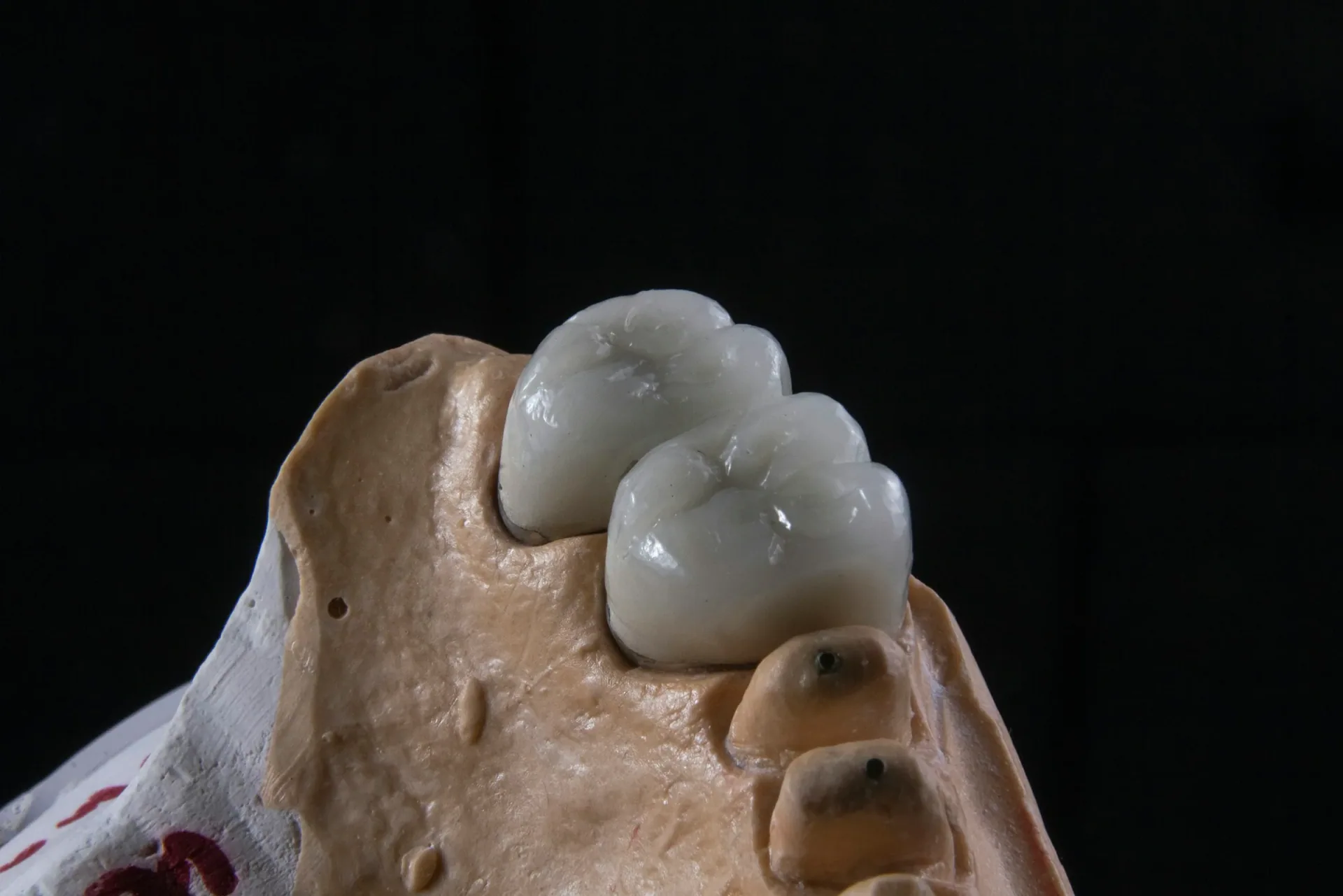
Both are made outside the mouth from porcelain, gold or composite resin, then bonded to the tooth. That takes two visits: one to prepare the tooth and take an impression, and one to check the fit and bond the final piece. Ours are crafted by a local Central Florida dental lab.
Crowns: full coverage for a weakened tooth
A crown is a custom-made cap that covers the visible part of the tooth, holding it together and protecting it from further damage. It’s commonly recommended for large cavities, extensive old fillings, cracked teeth and teeth that have had root canal treatment. To make room for it, the natural tooth is reduced and shaped, so a crown removes more tooth structure than an inlay or onlay. It also takes two visits, with a temporary crown protecting the tooth in between.
How they compare
- Filling: small to medium damage; placed directly in the mouth; composite or amalgam.
- Inlay: larger damage within the cusps; lab-made; porcelain, gold or composite; two visits.
- Onlay: damage reaching one or more cusps; lab-made; porcelain, gold or composite; two visits.
- Crown: significant damage or a weakened tooth; covers the whole visible tooth; lab-made; two visits.
What your dentist looks at
- How much healthy tooth remains after the decay or old filling is removed
- Whether a cusp is cracked or broken
- Where the tooth is and how much chewing force it takes
- Whether the tooth has had root canal treatment
- Which materials you prefer, and how visible the tooth is when you smile
When none of these is the answer
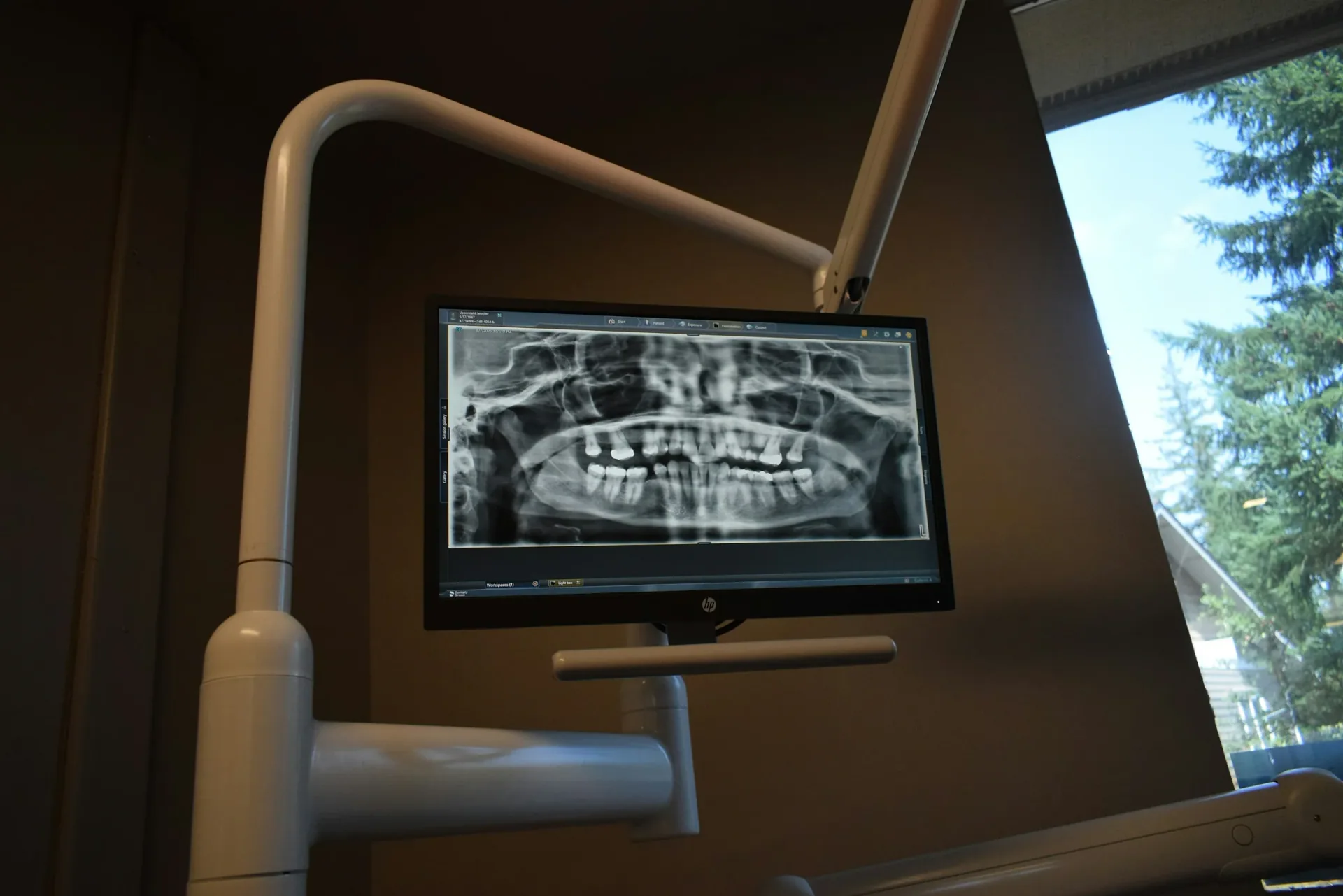
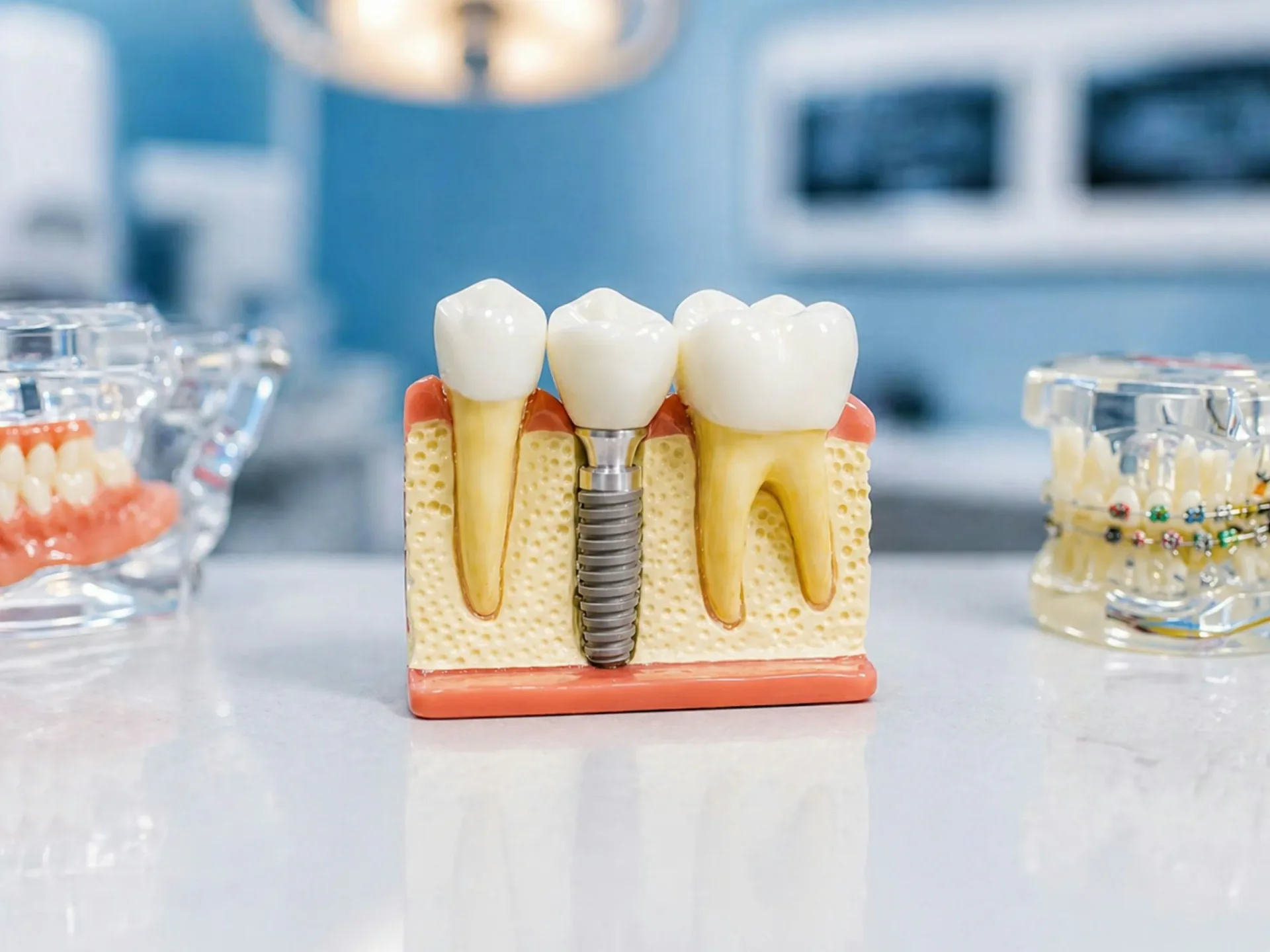
If decay has reached the nerve, the tooth may need root canal treatment before it can be restored. If damage extends to the root, a bridge or a dental implant may be a better solution than a crown. Digital X-rays help us see what’s happening between teeth and beneath old fillings, and we’ll talk through every option with you.
Why it pays to act early
Decay doesn’t heal on its own. A small cavity that could have been a simple filling can grow deeper over time and call for a larger repair. If you’ve noticed sensitivity, a rough edge or a worn filling, book a visit at our Titusville office or call (321) 269-3802.
This article is general information, not a diagnosis or a substitute for an examination. For advice about your own teeth, please contact us.
Questions
Frequently asked questions
How do I know if I need a filling or a crown?
It depends mainly on how much healthy tooth remains. Small and medium cavities can usually be filled, while a tooth with large cavities, extensive old fillings or cracks often needs a crown. Your dentist can tell you after an exam and X-rays.
What is the difference between an inlay and an onlay?
An inlay sits within the grooves of the chewing surface, between the cusps. An onlay extends over one or more cusps and is used when the damage is more extensive.
Is an onlay better than a crown?
Neither is better for every tooth. An onlay replaces only the damaged part, so it keeps more natural tooth. A crown covers the whole visible tooth and is often the better choice when a tooth has been significantly weakened.
How many visits does a crown or onlay take?
Usually two. At the first visit the tooth is prepared, an impression is taken and a temporary is placed. At the second, the final restoration from the lab is checked and fixed in place.
Does dental insurance cover fillings and crowns?
Coverage depends on your plan, so call (321) 269-3802 and our front desk can help you check your benefits. If you don’t have insurance, ask about our in-office membership plan and its discounted rates.