Restorative Dentistry

Dentures made to feel like your own.

Whether you are missing a few teeth or a full arch, dentures can restore the look of your smile and your ability to eat and speak with ease. In our Titusville office, Dr. Farah offers full and partial dentures, as well as dentures anchored by dental implants for added stability.

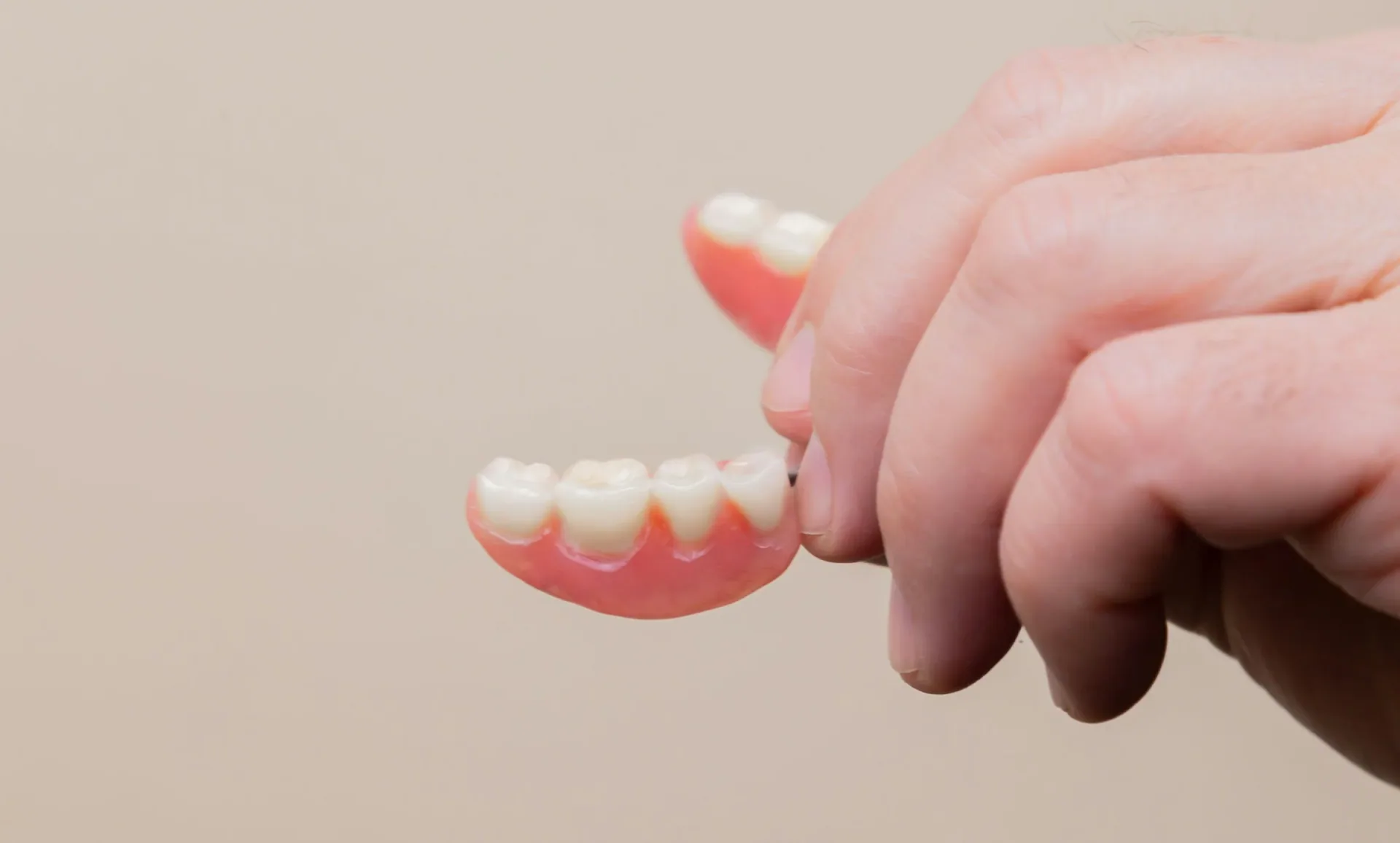
A hand holding a partial denture

Dentures at a glance

What it is
Whether you are missing a few teeth or a full arch, dentures can restore the look of your smile and your ability to eat and speak with ease.
Who it may suit
Patients missing most or all teeth in one or both arches; patients missing several teeth in one area who prefer a removable option.
What to expect
Consultation → Imaging and planning → Impressions and design → Fitting and fine-tuning
Where & coverage
Farah Dentistry, 55 North Carpenter Road, Titusville, FL. In-network with Delta Dental PPO, Cigna, GEHA and DHA; CareCredit and Cherry financing.

Full dentures

A full denture replaces an entire arch of teeth. Conventional full dentures are removable, but they can also be anchored using dental implant posts, clips or bonding materials for a more secure hold.

Nothing perfectly replaces natural teeth, but improvements in denture materials and design have made today’s dentures more comfortable and stable than many people expect.
Removable partial dentures

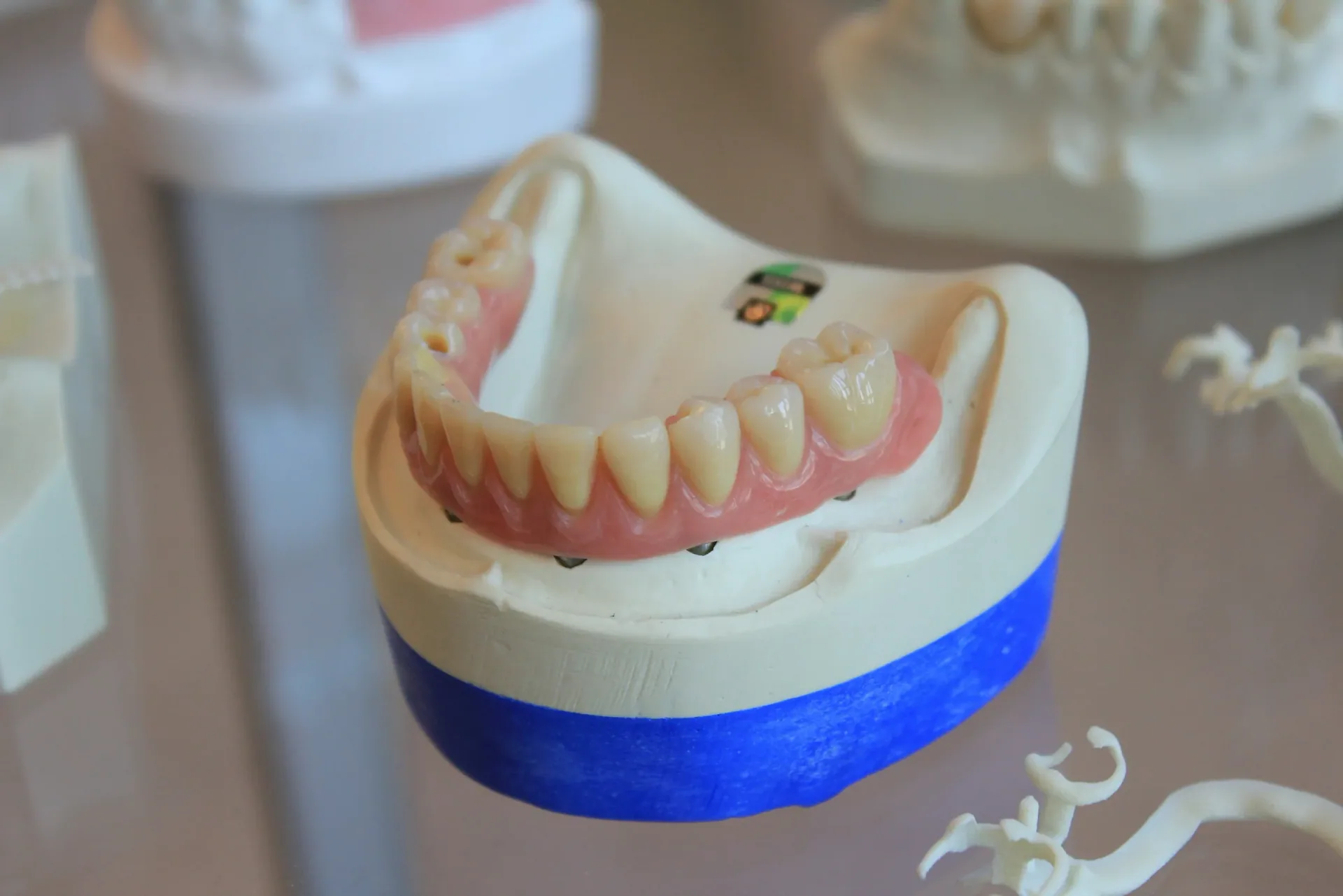
A removable partial denture replaces several missing teeth in one area while your remaining natural teeth stay in place. It is held by metal or plastic clasps that attach to the surrounding teeth.

Partials are an alternative to a fixed bridge or dental implants, and they can restore both appearance and chewing function where several teeth are missing.

Implant-supported dentures

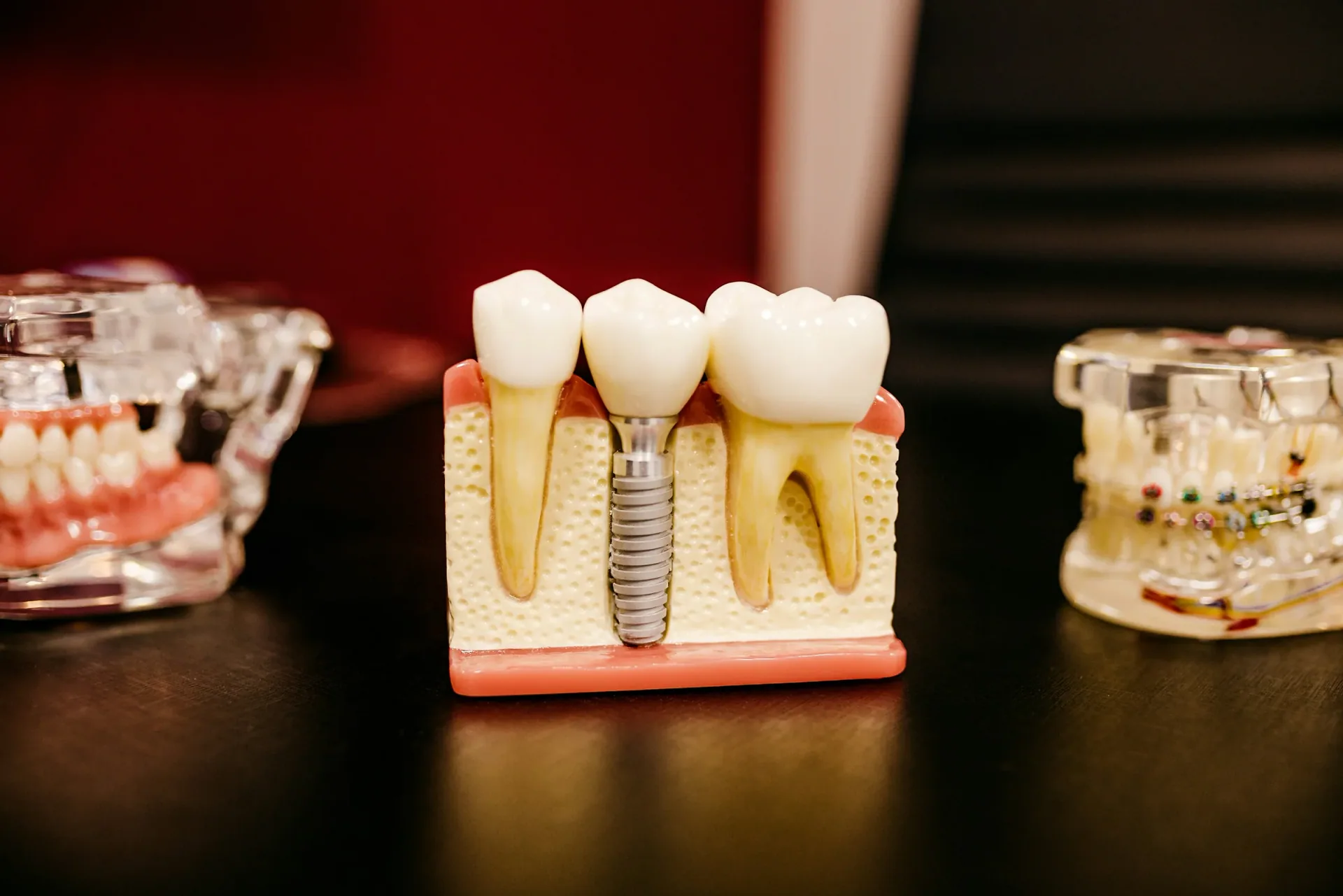
Dental implants can anchor both partial and full dentures. This reduces the slipping, sore spots and irritation often associated with ‘floating’ dentures, and depending on the design it may mean you no longer need to take them out to soak overnight.

A denture that does not fit well can be uncomfortable and come loose while you speak or eat. Anchoring it to implants usually removes the need for denture adhesive and lets many people return to foods they had been avoiding.

Protecting your jawbone

Natural tooth roots and implant posts sit firmly in the jawbone, and the pressure of chewing helps keep that bone healthy. Without roots, the jawbone gradually shrinks, which can change the shape of the face over time and loosen the fit of a traditional denture.

Implants help preserve the jawbone and the natural contours of your face, which is one reason Dr. Farah, who has pursued extensive continuing education in implantology, discusses implant-supported options with denture patients.

Benefits

Why patients choose Dentures

01

Options for every stage

From a partial for a few missing teeth to a full arch, we match the type of denture to your mouth and your goals.

02

A steadier fit with implants

Implant-supported dentures resist slipping, so eating and speaking feel more natural.

03

Supports facial contours

Implant-anchored dentures help maintain the jawbone that gives your face its natural shape.

04

Careful adjustments

We take time to refine the fit so your dentures feel settled and comfortable in daily life.

Is it right for you?

Who it may suit

  • Patients missing most or all teeth in one or both arches
  • Patients missing several teeth in one area who prefer a removable option
  • Current denture wearers troubled by slipping or sore spots
  • Patients who rely on adhesive and want a steadier fit
  • Patients considering implants who want to compare options

Every mouth is different. Your exam is where we confirm the right option for you.

What to expect

Your treatment, step by step

  1. Consultation

    Dr. Farah examines your mouth, reviews any current dentures and explains full, partial and implant-supported options.

  2. Imaging and planning

    Digital X-rays, and 3D CBCT imaging where implants are being considered, help plan the fit and any implant placement.

  3. Impressions and design

    Impressions and bite records guide the shape, size and shade of your new teeth.

  4. Fitting and fine-tuning

    We place your denture, check comfort and bite, and schedule follow-up adjustments as your mouth settles.

Technology & technique

The details behind the care

Our technology

PreXion CBCT 3D imaging

For implant-supported dentures, a cone-beam 3D scan shows bone volume and anatomy so implant positions can be planned with care.

Digital radiography

Digital X-rays assess remaining teeth and supporting bone with lower radiation exposure and shorter appointments.

Self-check

Find out if you’re a candidate.

Five quick, anonymous questions. Your answers stay on your device.

Question 1 of 5

Anonymous. Nothing is sent or saved.

Which best describes your teeth today?

Cost & insurance

Know your numbers before you decide

Every plan and every mouth is different, so we confirm your coverage and explain your estimated portion before treatment begins. When you schedule, have your insurance details ready and we’ll verify eligibility for you.

In-network plans

Delta Dental PPO · DHA (Dental Health Alliance) Plans · Cigna Dental Plans · GEHA. We also file all PPO plans on your behalf, including Guardian, Principal, MetLife and more.

Monthly financing

Cash, check and major cards, plus financing through:

Questions

Dentures, answered

What is the difference between full and partial dentures?

A full denture replaces every tooth in an arch, while a partial denture replaces several missing teeth and clasps to the natural teeth that remain.

Can my existing dentures be anchored with implants?

Often, yes. Depending on your bone and the design of your current denture, implants can be placed to anchor it or a new denture made to attach to them. Dr. Farah will assess this at a consultation.

How long does it take to get used to new dentures?

Most people need a few weeks to adjust to eating and speaking with new dentures. Some soreness is common early on, and follow-up visits let us adjust the fit as your mouth settles.

Do I need to remove implant-supported dentures at night?

It depends on the design. Some implant-supported dentures snap on and off for cleaning, while others are fixed in place and are removed only by your dentist. We will explain how your specific denture is cared for.

Does insurance help pay for dentures?

Many dental plans offer some coverage for dentures. We are in network with Delta Dental PPO, DHA, Cigna and GEHA, and CareCredit and Cherry financing can help spread the cost. Call (321) 269-3802 to arrange a consultation.

Your visit

Ready to talk about Dentures?

Book a visit and we’ll examine, explain your options clearly, and help you choose what’s right for you, with no pressure.