Oral Surgery
All-on-X Teeth in a Day: What the Process Looks Like, Step by Step
By Farah Dentistry · · 5 min read
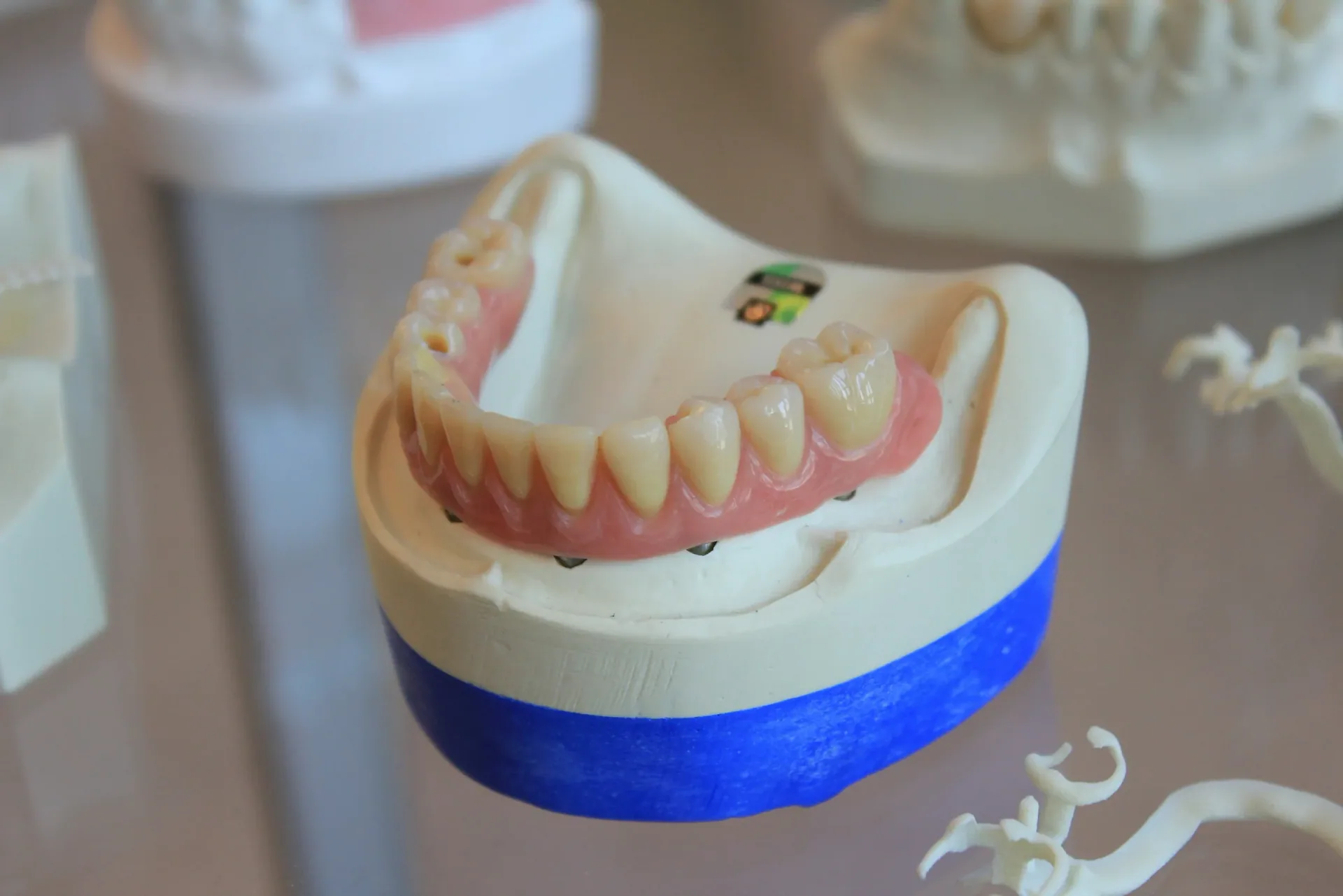
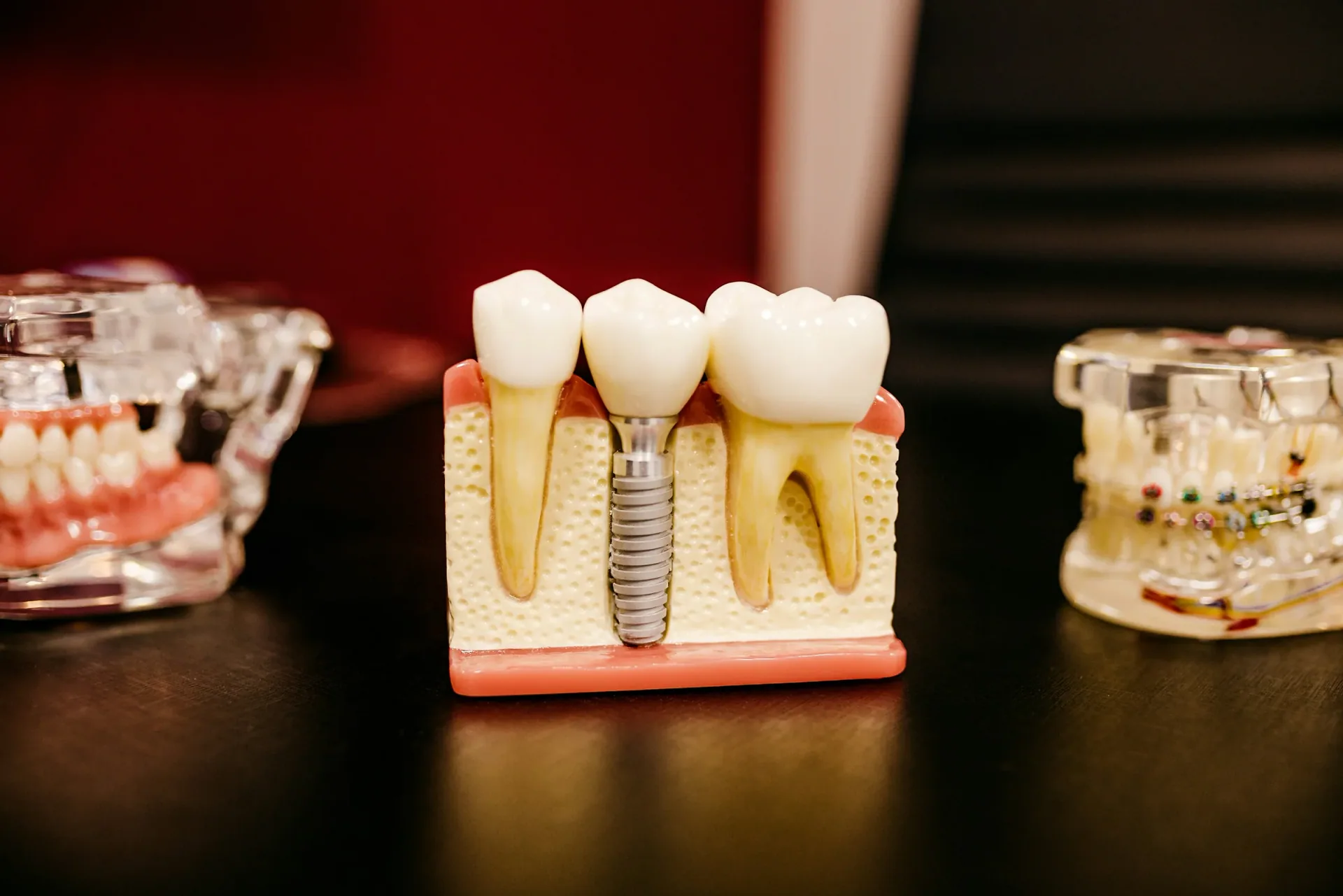
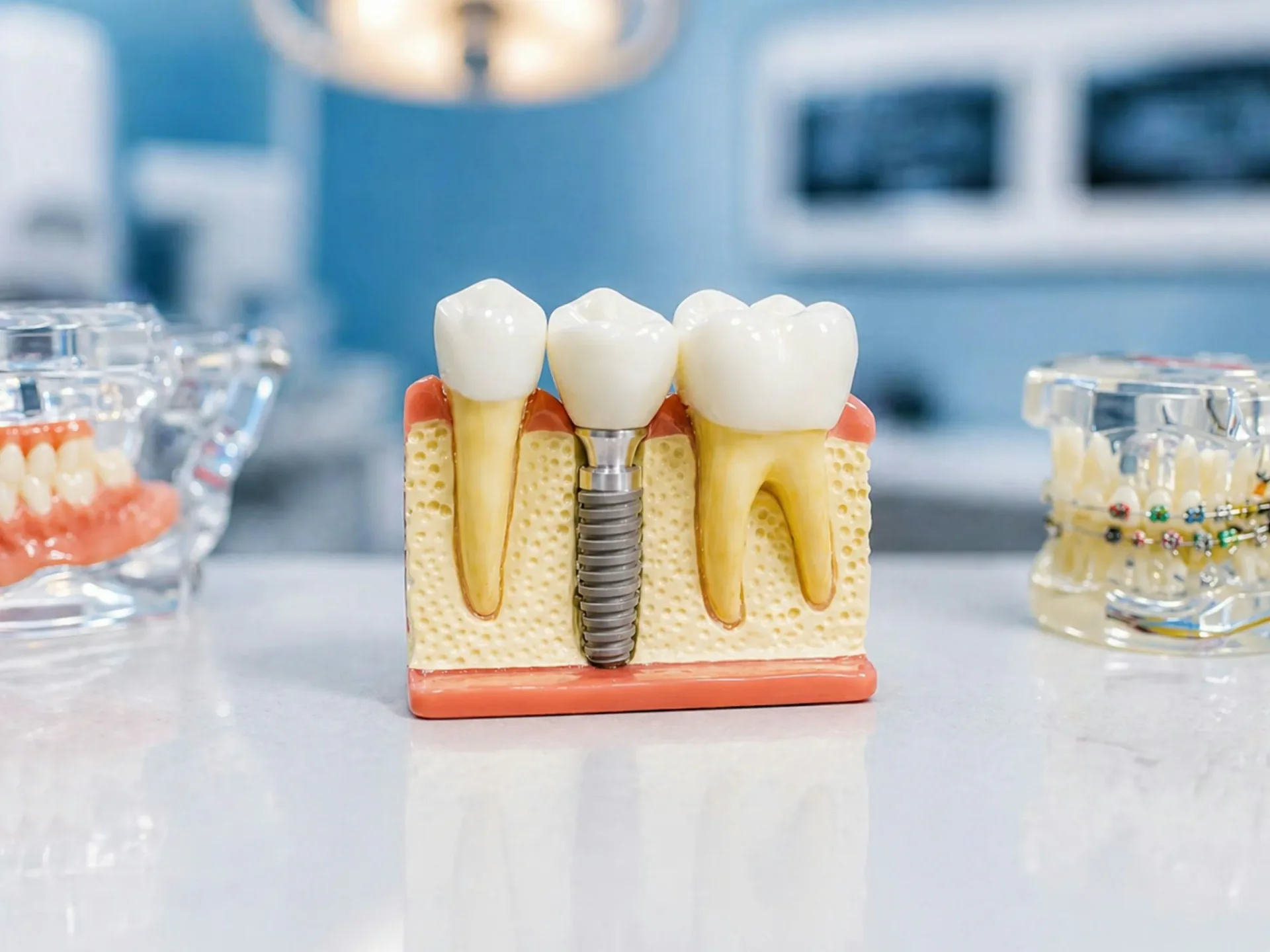
All-on-X treatment replaces a full upper or lower arch of teeth with a fixed bridge supported by four or six dental implants. The process usually runs in five stages: a consultation, detailed 3D planning, a surgical day when the implants are placed and, when conditions allow, a fixed set of teeth is attached, a period of healing, and follow-up visits toward your long-term bridge. The “teeth in a day” name refers to that surgical day, but the planning before it and the healing after it matter just as much.
Who All-on-X is designed for
This approach is usually considered for adults who are missing most or all of their teeth in an arch, whose remaining teeth are failing from decay or gum disease, or who wear a full denture and want something that doesn’t come out. It can also be an option for people who have been told there isn’t enough bone for an implant under every tooth, because the implants are positioned to make use of the bone that is there.
Step 1: The consultation
Your first visit is a conversation as much as an exam. Your dentist will ask what bothers you about your teeth now, what you hope to change, and about your general health and medications, since conditions such as diabetes, smoking and certain medicines can affect how implants heal. You’ll have an examination and X-rays, and you should leave with a clear sense of whether a full-arch approach makes sense for you or whether another option, such as implants for individual teeth or a denture, might suit you better.
Step 2: 3D imaging and planning
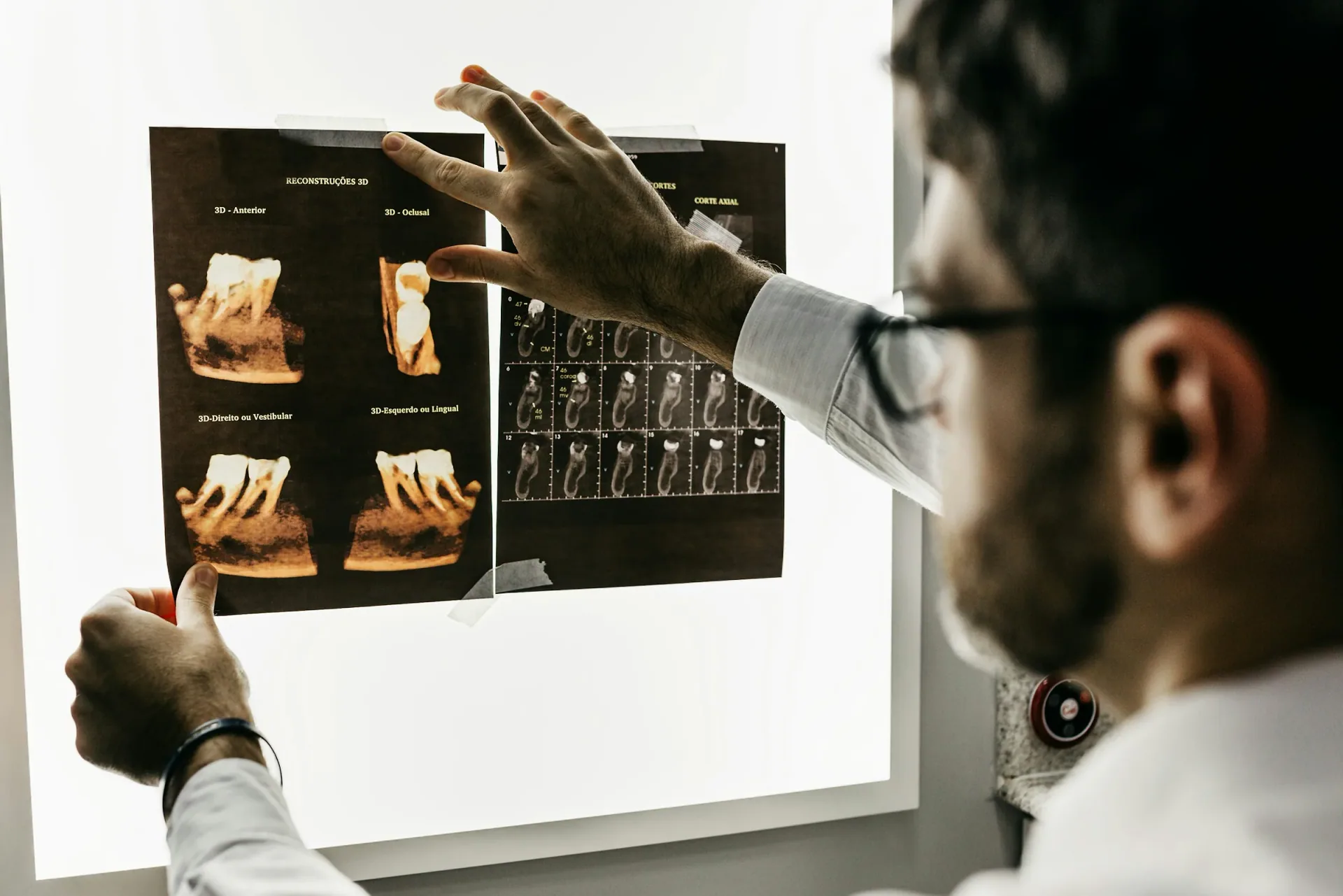
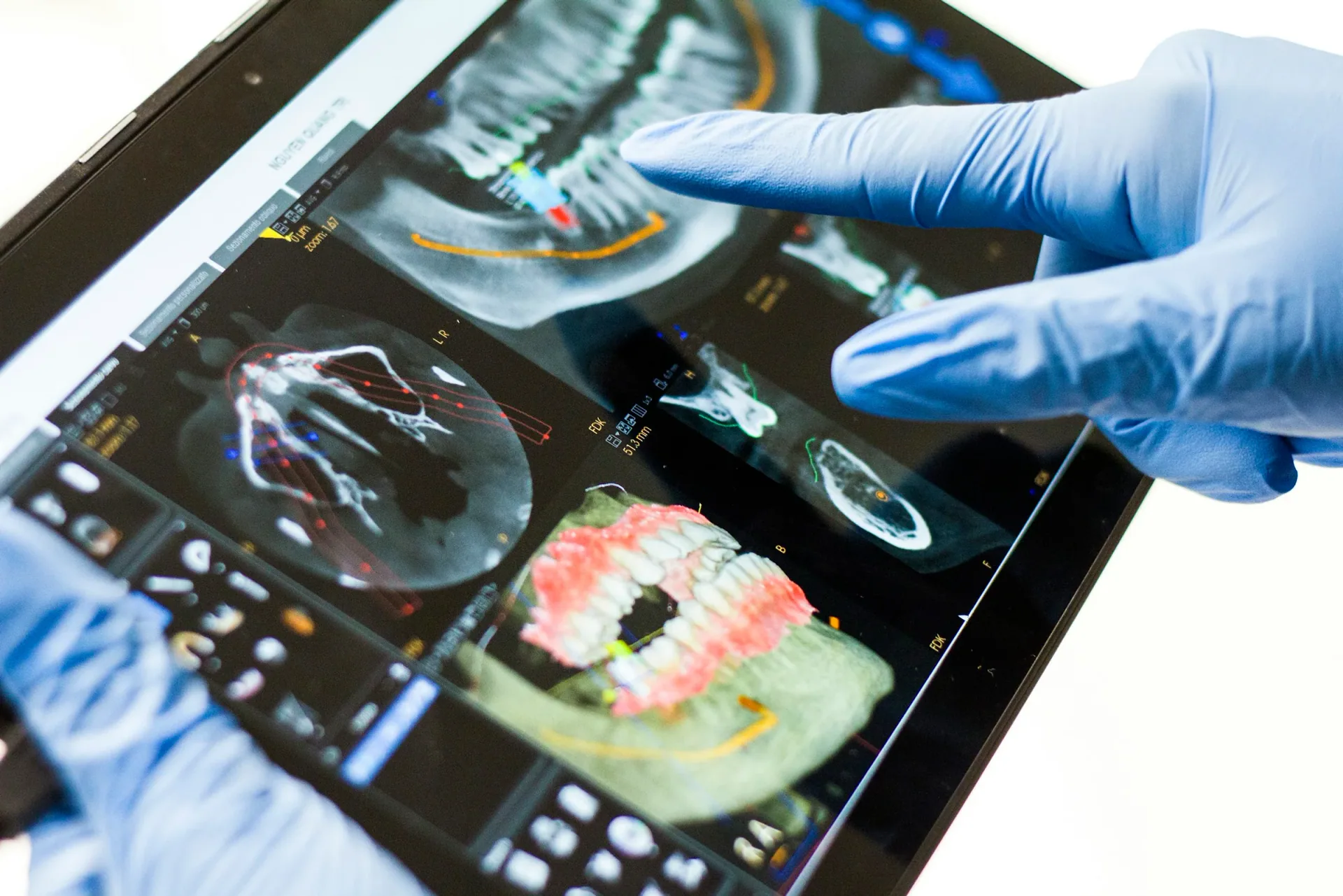
If you decide to move forward, careful planning comes next. A CBCT scan (Farah Dentistry uses a PreXion CBCT) creates a three-dimensional view of your jaw, showing bone height, width and density and the location of the sinuses and the nerve canal. Records of your teeth, gums and bite are also taken.
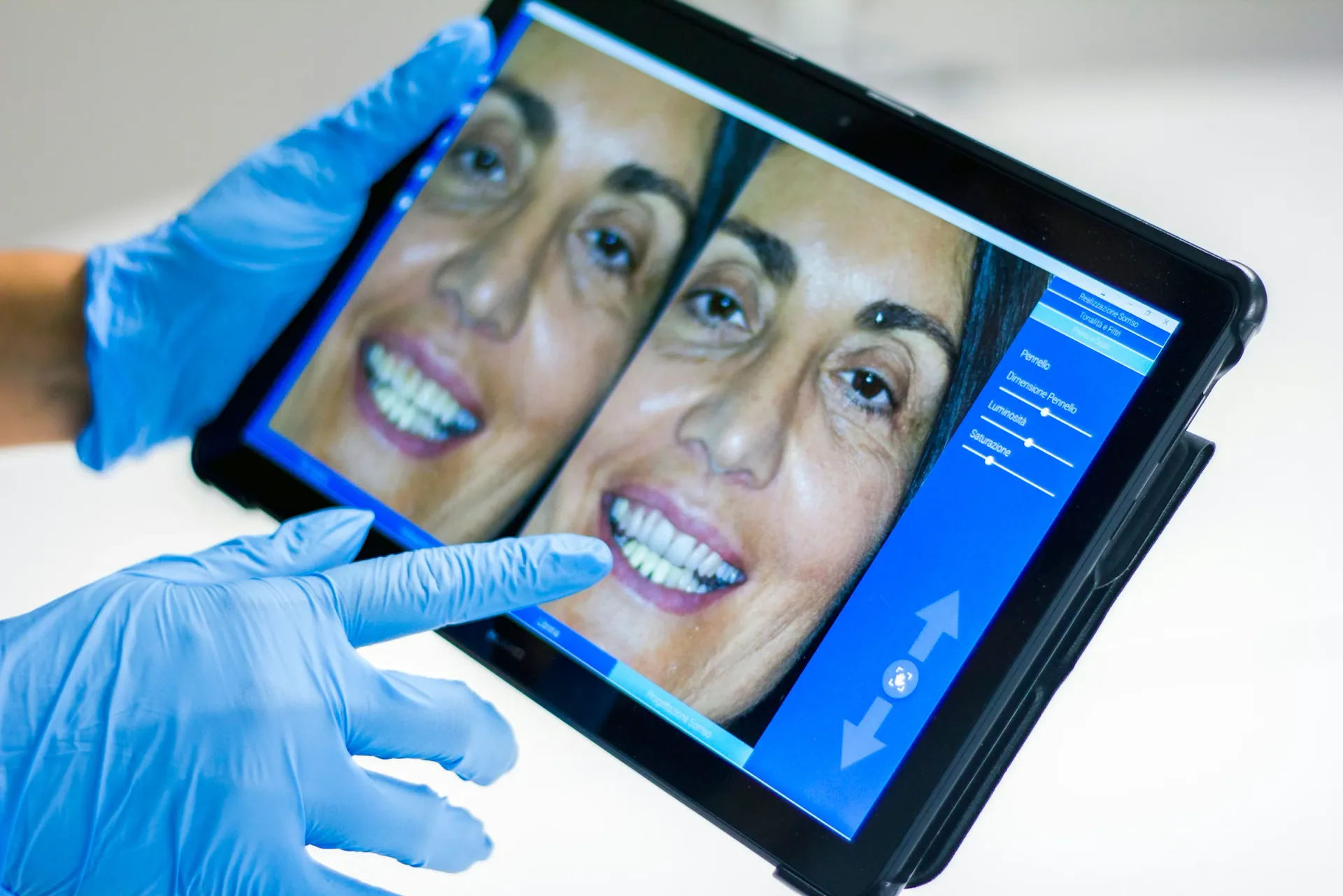
With these records, the implant positions and angles are mapped out before surgery. The back implants are often tilted so they avoid the sinus or nerve and reach denser bone. Your new teeth are designed in advance as well, with attention to how they look, how your lips are supported and how your bite comes together. This preparation is what makes it possible to attach teeth on the day of surgery.
Step 3: Surgery day
On the day of your procedure, the area is numbed with local anesthetic, and comfort options such as oral sedation can be discussed ahead of time. Any remaining teeth that can’t be saved are removed, the implants are placed according to the plan, and the gums are closed around them.
When the implants are stable enough, a fixed set of teeth is attached to them before you go home. This first set is usually a provisional bridge, designed to look natural and let you function while healing takes place. Whether teeth can be attached the same day depends on bone quality and how firmly the implants hold at surgery, which your dentist will discuss with you beforehand so there are no surprises.
Step 4: Healing
Implants need time to bond with the surrounding bone, a process that usually takes a few months. During that time, your new teeth are in place, but they need some protection while the foundation settles. Some swelling and tenderness are common in the first days, and you’ll receive written instructions for medication, cleaning and diet.
- Follow a soft-food diet for as long as your dentist advises, and avoid biting into hard or very chewy foods.
- Keep the area clean as instructed, using the brushes or rinses recommended for you.
- Avoid smoking, which can interfere with healing around the implants.
- Take any prescribed medication exactly as directed.
- Keep every follow-up appointment, even if everything feels fine.
- Call the office if you notice increasing pain, swelling that worsens after the first few days, or a loose tooth or screw.
Step 5: Follow-up and your long-term teeth
Regular check-ups during healing let your dentist confirm that the implants are integrating and the bite is comfortable. Once healing is complete, your dentist will explain whether and when a final bridge will be made. Final teeth are often stronger and more refined than the provisional set, and at Farah Dentistry they are made with a local Central Florida, American-made dental lab.
Long-term care is straightforward but important. Your bridge stays in, so you’ll clean around and under it every day, and professional cleanings and check-ups let the implants and gums be examined over the years.
Questions worth asking at your consultation
Ask whether four or six implants are recommended for you and why, whether any bone grafting might be needed, what happens if same-day teeth aren’t advisable at surgery, how long healing is expected to take, and what the long-term maintenance involves. A clear answer to each will help you feel settled about the plan.
If you’re living with failing teeth or a denture you’d rather not wear, call Farah Dentistry at (321) 269-3802 or book a consultation to find out whether All-on-X is a good fit for you. CareCredit and Cherry financing are available.
This article is general information, not a diagnosis or a substitute for an examination. For advice about your own teeth, please contact us.