Cosmetic Dentistry

Small refinements, shaped by hand.

Dental bonding uses a tooth-colored composite resin to repair chips, close small gaps and soften discoloration while leaving most of your natural tooth untouched. At our Titusville office, Dr. Farah shapes and polishes the resin directly on the tooth, so you can see the result take form during your visit.

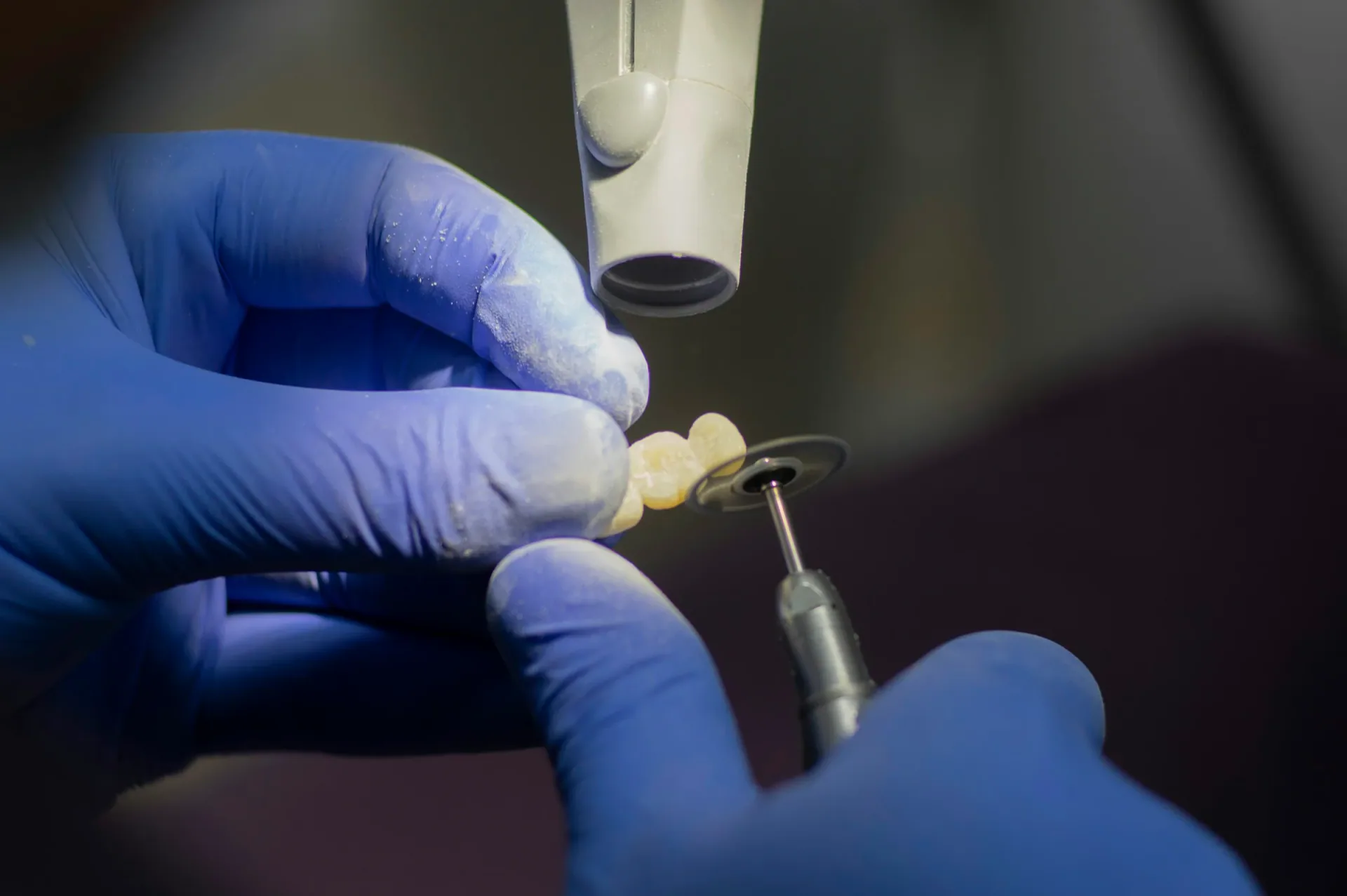
Gloved hands finishing a tooth-colored restoration

Bonding & Composite Resins at a glance

What it is
Dental bonding uses a tooth-colored composite resin to repair chips, close small gaps and soften discoloration while leaving most of your natural tooth untouched.
Who it may suit
A chipped or slightly cracked front tooth; a small gap you would like to close.
What to expect
Shade and plan → Preparing the surface → Placing and setting the resin → Sculpting and polishing
Where & coverage
Farah Dentistry, 55 North Carpenter Road, Titusville, FL. In-network with Delta Dental PPO, Cigna, GEHA and DHA; CareCredit and Cherry financing.

When bonding is the right choice

Bonding is well suited to small corrections on teeth that are otherwise healthy and stable. It can address minor decay, chips, small cracks, gaps between teeth, discoloration and mildly uneven or crooked edges.

Because the resin is added to the tooth rather than replacing large amounts of it, bonding is one of the more conservative cosmetic options. For larger changes, your dentist may suggest a veneer or crown instead.

Why composite resin

Composite resins look and behave much like natural enamel, and their shade can be adjusted to match your own teeth. That makes them a natural-looking alternative to metal fillings and restorations, especially on teeth that show when you smile.

Chairside bonding and lab-made restorations

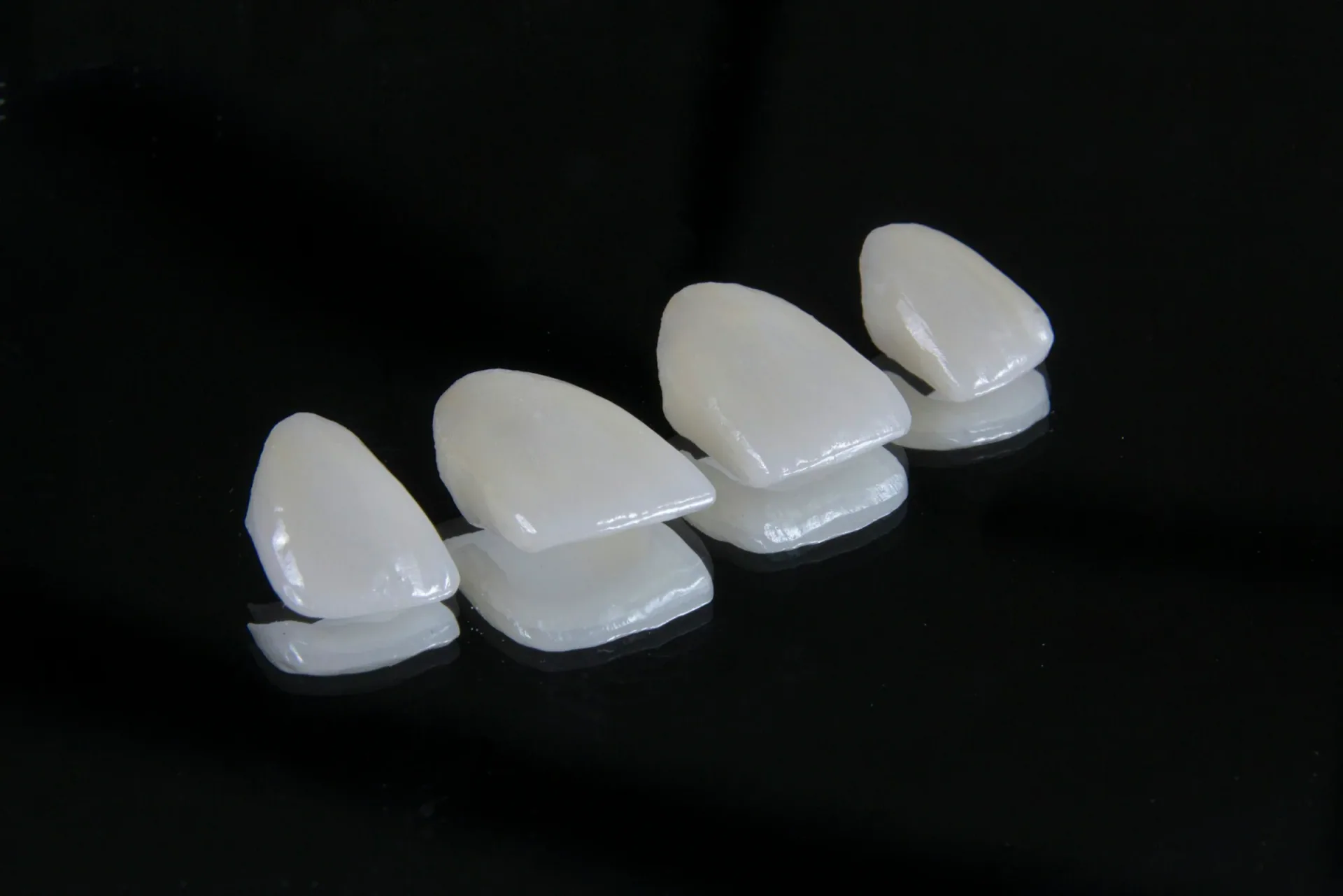
Minor alterations are usually completed in a single visit, with the resin color-matched to your teeth in the chair. More extensive changes may need an impression that is sent to a dental laboratory, where a custom restoration is made.

Larger custom restorations are usually made of porcelain rather than composite resin, and they are bonded to the tooth at a second visit. Most bonding treatment is complete within one or two appointments.

Benefits

Why patients choose Bonding & Composite Resins

01

Conservative by design

Little or no natural tooth structure is removed, which suits our preference for the least invasive treatment that does the job well.

02

Color matched to you

The resin shade is chosen to blend with your neighboring teeth, so the repair reads as part of your smile.

03

Often finished in one visit

Small repairs are typically shaped, set and polished during a single appointment.

04

Easy to refine later

Composite can usually be touched up or added to over time if a small area wears or chips.

Is it right for you?

Who it may suit

  • A chipped or slightly cracked front tooth
  • A small gap you would like to close
  • A tooth edge that looks uneven or worn
  • A small stain or spot that whitening will not lift
  • Minor decay on a tooth that shows when you smile

Every mouth is different. Your exam is where we confirm the right option for you.

What to expect

Your treatment, step by step

  1. Shade and plan

    Dr. Farah examines the tooth, talks through what you would like to change and selects a resin shade that matches your natural teeth.

  2. Preparing the surface

    A mild etching solution is applied to the enamel. It gently roughens the surface so the resin can form a strong bond.

  3. Placing and setting the resin

    The resin is applied in thin layers and hardened with a curing light, building up the shape gradually.

  4. Sculpting and polishing

    Dr. Farah sculpts the resin to its final contour and polishes it to a natural sheen, then checks your bite.

Cost & insurance

Know your numbers before you decide

Every plan and every mouth is different, so we confirm your coverage and explain your estimated portion before treatment begins. When you schedule, have your insurance details ready and we’ll verify eligibility for you.

In-network plans

Delta Dental PPO · DHA (Dental Health Alliance) Plans · Cigna Dental Plans · GEHA. We also file all PPO plans on your behalf, including Guardian, Principal, MetLife and more.

Monthly financing

Cash, check and major cards, plus financing through:

Questions

Bonding & Composite Resins, answered

How long does dental bonding take?

Most small bonding repairs are completed in one visit. More extensive changes that involve a lab-made restoration usually take two visits, with the final piece bonded at the second appointment.

Does bonding hurt?

Bonding is usually comfortable, and many small repairs need little or no numbing because the resin is added to the tooth rather than drilled into it. If the area involves decay, your dentist will make sure you are numb first.

Is bonding or a veneer better for me?

Bonding tends to suit small, localized corrections, while veneers are often recommended when several front teeth need a more complete change in shape or color. Dr. Farah will explain the trade-offs for your teeth at your consultation.

Will bonding stain?

Composite resin can pick up stain over time, much like natural teeth, especially with coffee, tea, red wine or tobacco. Regular cleanings and polishing help it stay bright, and whitening is best done before bonding because resin does not lighten with whitening gel.

Is cosmetic bonding covered by insurance?

It depends on why it is done and on your plan. Bonding to repair decay or a broken tooth is often treated differently from purely cosmetic bonding. We are in network with Delta Dental PPO, DHA, Cigna and GEHA, and our team can check your benefits; CareCredit and Cherry financing are also available.

Your visit

Ready to talk about Bonding & Composite Resins?

Book a visit and we’ll examine, explain your options clearly, and help you choose what’s right for you, with no pressure.