Cosmetic
Professional vs. Over-the-Counter Teeth Whitening: What to Know
By Farah Dentistry · · 4 min read
Both professional and over-the-counter whitening products use peroxide-based gels to lighten stains inside the enamel. The main differences are supervision, fit and suitability. Dentist-supervised whitening starts with an exam to make sure whitening is safe and likely to work for your teeth, and it typically uses trays made to fit your mouth. Store-bought products are one-size-fits-all and are used without that check. For many people, the most important step is the one that happens before whitening begins.
How teeth whitening works
Teeth darken for two broad reasons. Surface stains come from coffee, tea, red wine, tobacco and some foods, and they build up on the outer layer of enamel. Deeper discoloration happens inside the tooth, with age, after an injury, or from certain medications or excess fluoride during childhood. Peroxide whitening gels pass into the enamel and break down the compounds that cause discoloration. They tend to work well on yellowish staining from age and diet, and less predictably on grayish or uneven discoloration.
Whitening toothpastes are different. Most work by mild polishing to remove surface stains, which can help keep teeth looking clean, but they usually don’t change the underlying shade much.
Over-the-counter options
Strips, paint-on gels and kits with generic trays are widely available and convenient. Results vary. Strips can miss curved or crowded teeth, and loose trays can let gel spread onto the gums, causing irritation. Because there’s no exam beforehand, it’s also easy to whiten over a problem that should be treated first. Products sold online with unclear ingredients, and abrasive powders such as charcoal, are worth avoiding, since harsh scrubbing can wear enamel over time.
Dentist-supervised whitening
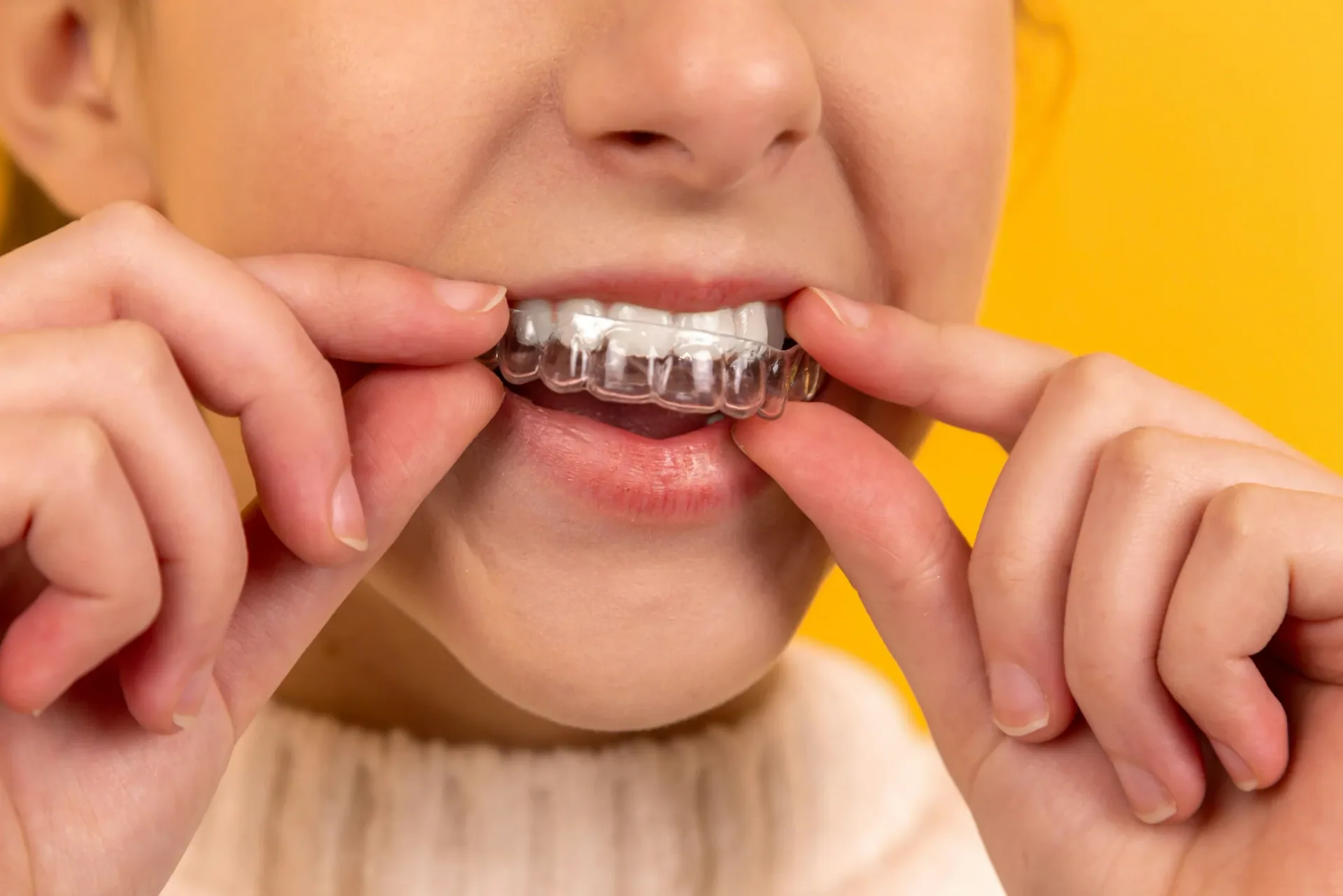
Professional whitening comes in two forms: in-office treatments and take-home kits with custom trays. At Farah Dentistry, whitening is a dentist-supervised take-home approach. Impressions are taken so trays can be made to fit your teeth closely, and you’re given a whitening gel along with clear guidance on how often and how long to wear the trays. The close fit keeps the gel against the teeth and away from the gums, and you lighten your smile gradually, at your own pace.
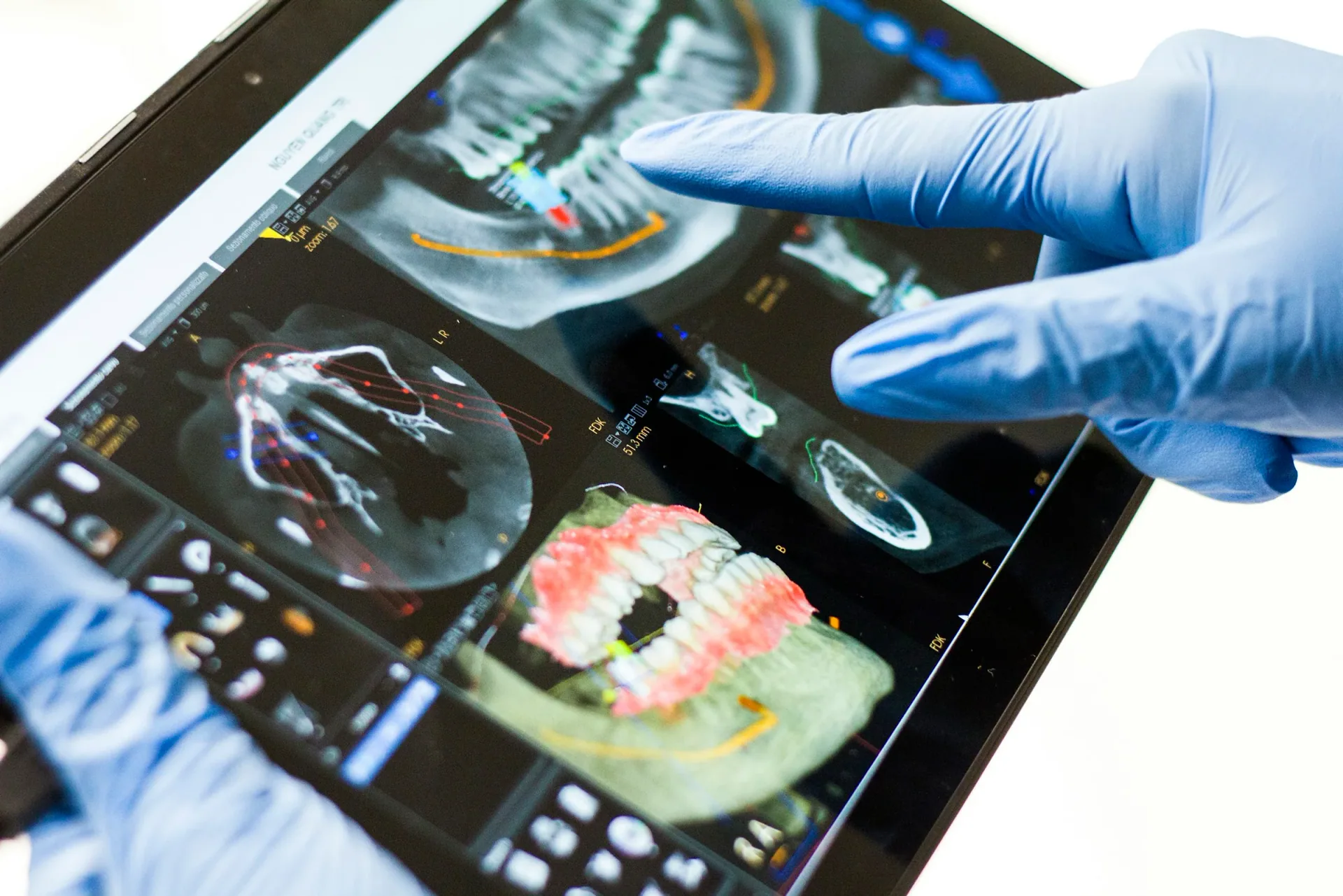
The other advantage is the check-up that comes first. Your dentist looks for cavities, worn fillings, receding gums and cracks, all of which can make whitening uncomfortable or less effective, and gives you a realistic sense of the result to expect.
Before you whiten: a short checklist
- Have a check-up and cleaning first. A cleaning removes surface stain and shows your true starting shade.
- Treat any cavities, cracks or gum problems before whitening.
- Remember that whitening doesn’t change the color of crowns, veneers, bonding or fillings. If these are on your front teeth, plan around them.
- If you already have sensitive teeth, mention it, since whitening can increase sensitivity for a while.
- If you’re pregnant or nursing, it’s generally advised to wait.
- Set expectations: natural teeth vary in how white they can become, and results fade gradually with time and diet.
Managing sensitivity
Temporary sensitivity is the most common side effect of whitening. It usually eases when treatment stops. Wearing the trays less often or for shorter periods, using a toothpaste for sensitive teeth, and avoiding very hot or cold drinks for a while often help. If gums become sore or sensitivity is strong, pause and call your dentist for advice rather than pushing through.
When whitening isn’t the answer
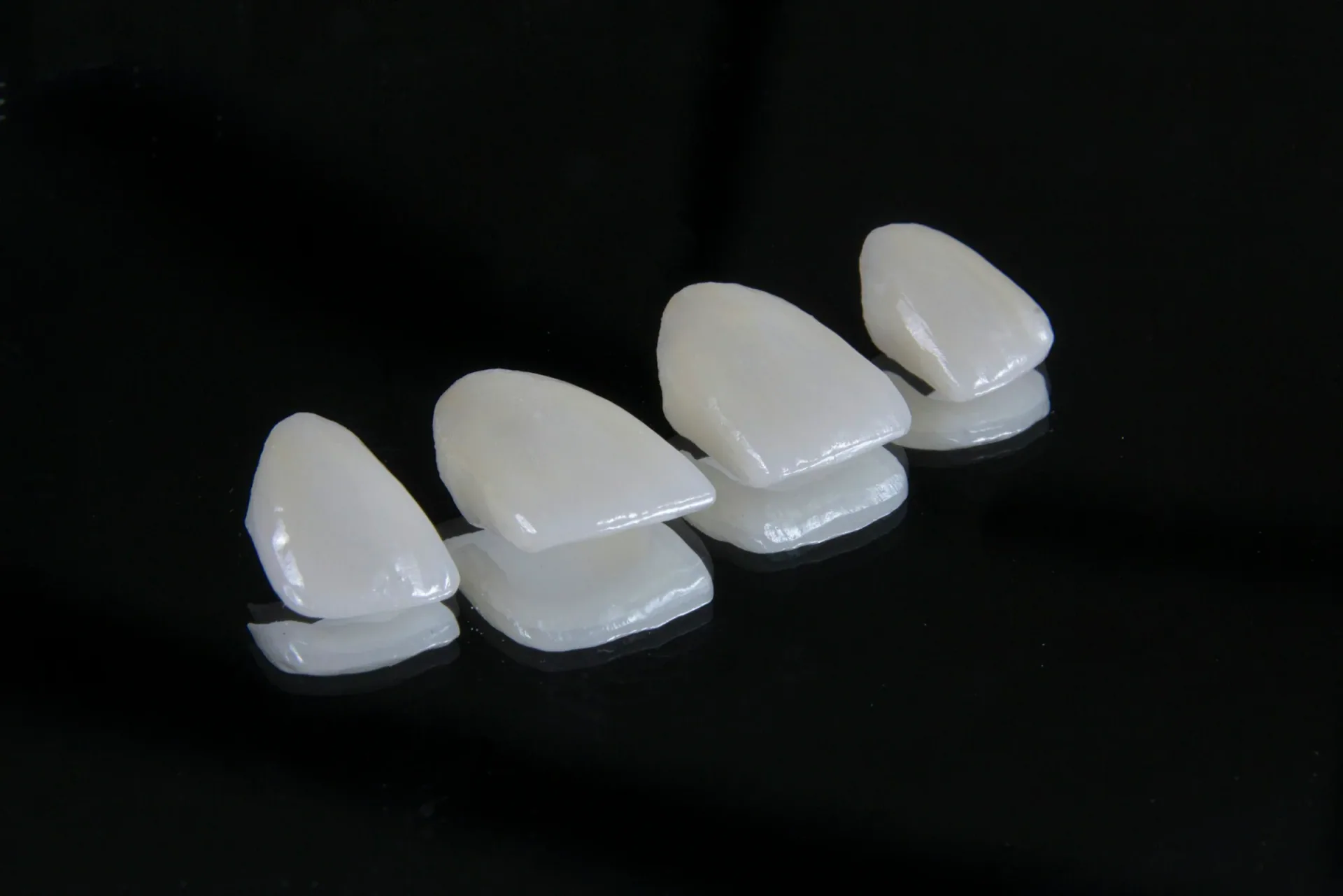
Some discoloration doesn’t respond well to whitening, such as a single tooth that has darkened after an injury or root canal, or deep gray staining. In those cases, cosmetic bonding or porcelain veneers may give a more even result, and a darkened tooth should be examined in any case. If you plan to replace older crowns or fillings on front teeth, whitening first lets the new restorations be matched to your brighter shade.
Keeping your results
Once you reach a shade you like, rinsing after coffee, tea or red wine, using a straw for dark drinks, not smoking and keeping up with regular cleanings all help the result last. Custom trays can usually be kept for occasional touch-ups, as your dentist advises.
If you’re thinking about whitening, call Farah Dentistry at (321) 269-3802 or book a visit. We’ll check that whitening suits your teeth and help you choose an approach that fits your goals.
This article is general information, not a diagnosis or a substitute for an examination. For advice about your own teeth, please contact us.